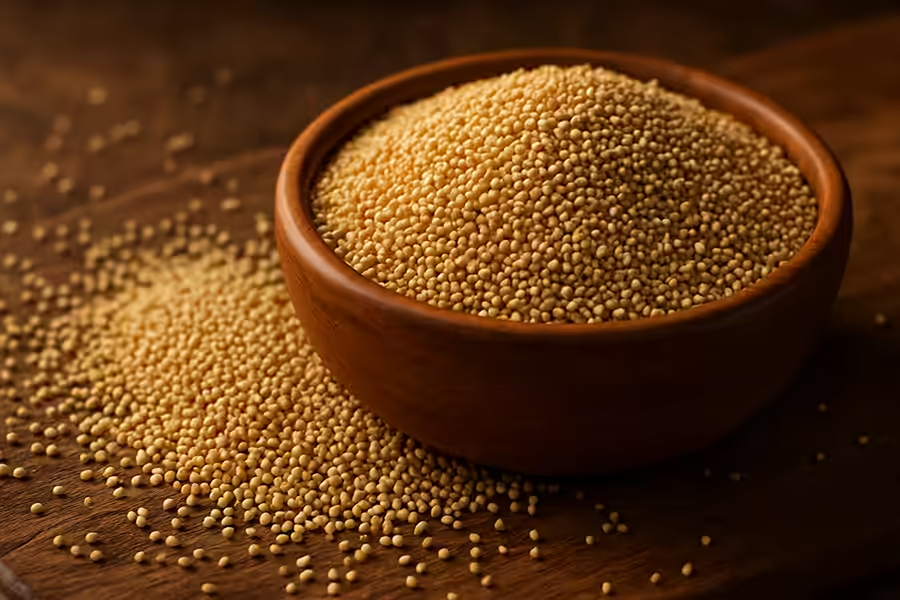
Amaranth porridge is a dish made from the seeds of the amaranth plant (Amaranthus), which the UN Food Commission has recognized as one of the most promising food crops of the 21st century. Although amaranth has been eaten in Latin America for over 8,000 years, it has only recently begun to gain popularity in our latitudes. Amaranth porridge is a real find for those looking for a nutritious, gluten-free, and healthy breakfast. In this article, we will take a detailed look at what amaranth porridge is, what it contains, how it is beneficial, who should be cautious, how to prepare it, and what recipes to try.
Content
What is amaranth and amaranth porridge?
Amaranth is an annual herbaceous plant of the Amaranthaceae family. It is also known as pigweed, velvetleaf, cattail, or velvet plant. There are over 100 species of amaranth, but only a few are cultivated specifically for their edible seeds. It is these small seeds that are used to make amaranth porridge.
Technically, amaranth is not a grain, but a pseudo-grain crop, like quinoa and buckwheat. This means that it belongs to a different botanical family than wheat, oats, or barley, but is used in a similar way — for making porridge, flour, and other dishes. The main difference from true grains is that amaranth does not contain gluten, which makes it safe for people with celiac disease or sensitivity to this protein.
Amaranth was cultivated by the Aztecs and Incas, for whom it was as staple a crop as corn and beans. Spanish colonizers brought the seeds to Europe, where the plant was initially grown as an ornamental. It was only much later that amaranth returned to the kitchen — and today it is recognized as one of the most promising superfoods in the world.
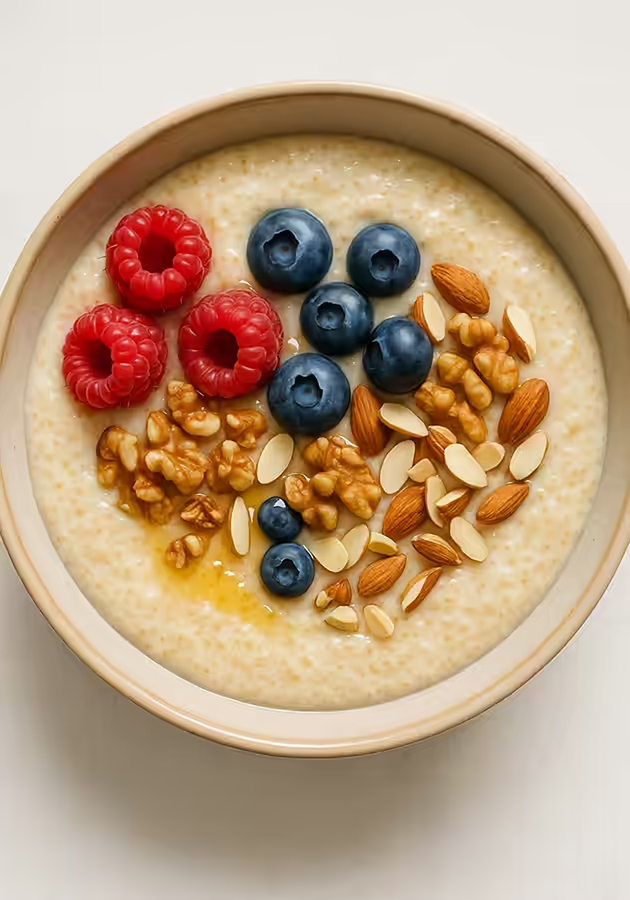
When cooked correctly, amaranth porridge has a pleasant nutty flavor with hints of sesame. Its texture resembles fine caviar or semolina porridge, depending on whether you use whole grains or flour. Amaranth porridge is creamy, filling, and goes well with both sweet and savory additions.
Chemical composition and nutritional value
Amaranth seeds are a real concentrate of nutrients. Here are the basic indicators per 100 g of dry cereal:
| Indicator | Value |
|---|---|
| Calorie content | 370–376 kcal |
| Protein | 13.4–14 g |
| Fats | 6–7.2 g |
| Carbohydrates | 57–58.9 g |
| Fiber | 6.7 |
| Glycemic index | 35 (low) |
After cooking, the calorie content decreases to approximately 102 kcal per 100 g of finished porridge, as the grains actively absorb water.
Vitamins
Amaranth is rich in B vitamins, especially B5 (pantothenic acid), B6 (pyridoxine), and B2 (riboflavin). It also contains vitamin E, a powerful antioxidant, and folic acid (B9), which is important for pregnant women and blood formation processes.
Minerals
The mineral composition of amaranth is impressive:
- manganese — one of the richest among cereals;
- phosphorus — important for bones and teeth;
- iron — makes porridge valuable for those prone to anemia;
- Magnesium — critical for the nervous system and muscles;
- calcium — significantly more than in most cereals;
- Copper, selenium, zinc — support for immunity, thyroid gland, and antioxidant protection.
Amino acid profile
One of the main advantages of amaranth is that it is a complete plant protein containing all nine essential amino acids. Amaranth is particularly rich in lysine, an amino acid that is lacking in most cereal crops. Lysine is involved in collagen synthesis, calcium absorption, and immune system strengthening. Amaranth also contains significant amounts of aspartic acid and alanine.
Squalene
A unique component of amaranth is squalene. It is a natural antioxidant that is usually obtained from shark liver, but amaranth is one of the most interesting plant sources of this substance. Squalene from amaranth is believed to help lower cholesterol, have anti-inflammatory properties, and potentially reduce the risk of certain chronic diseases. When the seeds are dry-roasted or popped, the concentration of squalene in amaranth oil may even increase.
The health benefits of amaranth porridge
Regular consumption of amaranth porridge can have a positive effect on many body systems.
Gluten-free alternative
For people with celiac disease or gluten sensitivity, amaranth porridge is a safe and nutritious substitute for oatmeal, wheat, or barley porridge. Unlike many gluten-free foods, which are often low in nutrients, amaranth offers complete protein and a wide range of vitamins and minerals.
Heart and vascular health
The complex of magnesium, potassium, healthy fats, squalene, and fiber in amaranth helps lower “bad” cholesterol (LDL) and normalize blood pressure. Regular consumption of this porridge, combined with an active lifestyle and a balanced diet, supports cardiovascular health.
Blood sugar control
The glycemic index of amaranth is approximately 35, which is significantly lower than that of white rice and even many types of oatmeal. Due to its high fiber and protein content, amaranth provides a slow and steady increase in blood glucose after eating. This makes the porridge valuable for people with insulin resistance, prediabetes, and type 2 diabetes (subject to approval by a doctor). The soluble fiber in amaranth slows down the breakdown of carbohydrates, preventing sharp spikes in glucose.
Digestive support
Amaranth contains both soluble and insoluble fiber. Soluble fiber acts as “food” for beneficial intestinal microflora, while insoluble fiber gently stimulates peristalsis, helping with constipation. Amaranth protein is easily digestible and does not usually irritate the gastrointestinal tract, while pectins and mucilage additionally coat the intestinal walls.
Anti-inflammatory and antioxidant effects
Amaranth contains peptides with anti-inflammatory properties and a whole range of antioxidants, including vitamin E, polyphenols, and squalene. They help reduce chronic inflammation and neutralize free radicals, which can slow down the cellular aging process.
Strengthening immunity
The high content of lysine and other amino acids, as well as trace elements (zinc, selenium), supports the proper functioning of the immune system. This porridge works well as part of a balanced diet during periods of increased stress, seasonal colds, and other times when you need extra support.
Healthy skin, hair, and nails
Lysine participates in the synthesis of collagen, a protein responsible for skin elasticity and firmness, nail strength, and hair health. Squalene and vitamin E maintain skin moisture and protect it from oxidative stress. Regular consumption of amaranth in combination with other healthy foods can improve the appearance of skin and hair.
Benefits for women
The phytonutrients in amaranth can gently help stabilize hormone levels, reduce unpleasant PMS symptoms, and support overall well-being. The high iron and folic acid content makes this porridge a good addition to the diet of women during menstruation and when planning a pregnancy (with a doctor’s permission, of course).
Muscle support and recovery
For vegetarians and vegans, amaranth is a valuable source of complete plant protein. Thanks to its good amino acid balance, it is suitable for maintaining muscle mass, especially when combined with other protein foods (legumes, seeds, nuts). Alanine and other amino acids are involved in recovery processes after physical exertion.
Amaranth compared to other grains
To better understand how amaranth compares to other popular grains, let’s compare them (per 100 g of cooked product):
| Indicator | Amaranth | Quinoa | Oats |
|---|---|---|---|
| Calories | ~102 kcal | ~120 kcal | ~71 kcal |
| Protein | ~3.8 g | ~4.4 g | ~2.5 g |
| Fiber | ~2.1 g | ~2.8 g | ~1.7 g |
| Calcium | ~47 mg | ~17 mg | ~80 mg* |
| Iron | ~2.1 mg | ~1.5 mg | ~6 mg* |
| Magnesium | ~65 mg | ~64 mg | ~26 mg |
| Manganese | higher | high | average |
| GI | low (~35) | average | medium/above average |
| Gluten | none | none | present (traces/contamination) |
*Results may vary depending on product type and enrichment.
Amaranth stands out for its calcium, manganese, and iron content, as well as its low glycemic index. Quinoa is also very nutritious and rich in protein, but has a slightly higher GI. Oats are well known as a healthy breakfast option, but may contain traces of gluten and have a higher impact on blood sugar levels.
Contraindications and warnings
Despite its many benefits, amaranth porridge is not suitable for everyone.
Individual intolerance
Like any product, amaranth can cause an allergic reaction: itching, redness, rash, swelling, discomfort in the digestive system. The first time, it is worth eating a very small portion (1–2 tablespoons of ready-made porridge) and observing the reaction for a day.
Gastrointestinal tract disease in the acute stage
In cases of acute pancreatitis, exacerbation of cholecystitis, gallstone or urolithiasis, it is better to temporarily refrain from eating amaranth porridge. The high fiber content and certain biologically active compounds can exacerbate symptoms. During remission, it should only be consumed after individual consultation with a doctor.
Other caveats
Amaranth should be consumed with caution in the following cases:
- chronic renal failure;
- increased blood clotting;
- hypotension (tendency to low blood pressure);
- severe neurological conditions;
- atherosclerosis of the cerebral vessels;
- early postoperative period.
Pregnancy, breastfeeding, and children
During pregnancy and lactation, amaranth can be part of the diet, but it should be introduced gradually, in moderate amounts, and in consultation with a doctor. For children, it is usually recommended to introduce amaranth porridge no earlier than 2 years of age. At first, it is better to give it in the form of porridge made from amaranth flour — this texture is softer and more delicate.
How to cook amaranth porridge correctly: basic rules
Flushing
Amaranth seeds are very small, so use a fine sieve. Rinse the grains under running cold water until the water runs clear. This helps to remove dust, shell remnants, and any bitterness.
Soaking and sprouting
To neutralize some of the phytic acid and facilitate the absorption of minerals, the seeds can be soaked for 4–8 hours or even sprouted for 1–3 days. This is not necessary for daily use, but it is recommended if you have the time. A quick option is to steam the amaranth with boiling water for 30–60 minutes before cooking.
Proportions and time
- basic ratio: 1 part amaranth to 2.5–3 parts liquid (water, milk, or a mixture of both);
- cooking time: 25–30 minutes on low heat under a lid;
- Amaranth flour is cooked for 2–5 minutes and then infused.
Preparation technique
- Pour the washed grains into the hot liquid, stirring constantly.
- bring to a boil, reduce heat to low;
- Cook under a lid, stirring periodically to prevent the grains from sticking together.
- If necessary, add a little hot water or milk at the end if the porridge is too thick.
Tableware
A pot with a thick bottom or a saucepan is best suited. Keep the lid tightly closed during the first few minutes of cooking, as the grains sometimes “jump” like mini popcorn.
Amaranth porridge recipes
1. Classic amaranth porridge with milk
Ingredients (2 servings):
- amaranth — 80–100 g;
- milk — 160–200 ml;
- water — 160–200 ml;
- salt — a pinch;
- butter — 15–20 g;
- sugar, honey, or other sweetener — to taste.
Preparation:
- Rinse the amaranth through a fine sieve.
- Mix the milk and water in a saucepan and bring to a boil.
- Pour in the amaranth in a thin stream, stirring constantly.
- Reduce the heat, add a pinch of salt.
- Cook for 25–30 minutes under a lid, stirring occasionally.
- Turn off the heat, add butter, stir.
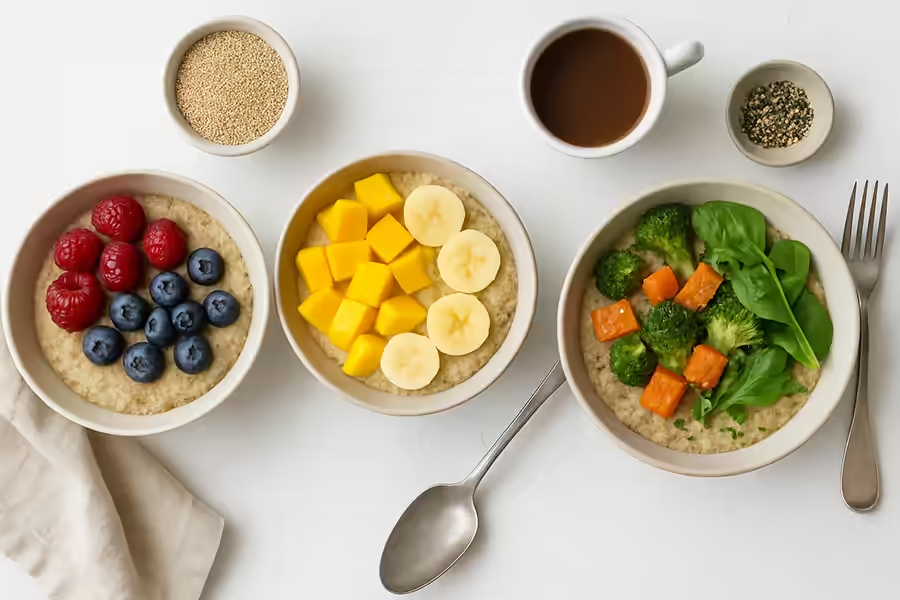
- Serve with honey, fruit, berries, or nuts.
2. Sweet amaranth porridge, chef-style
Ingredients:
- amaranth — 200 g;
- milk — 550 ml;
- raisins — 50 g;
- butter — 60–70 g;
- cinnamon — ½ teaspoon;
- sugar or honey — to taste.
Preparation:
- Lightly fry the amaranth in a dry, well-heated pan for 1–2 minutes, stirring constantly.
- Transfer the cereal to a saucepan, pour in the milk, and bring to a boil.
- Cook over medium heat for 15 minutes, stirring occasionally.
- Add the washed raisins, butter, and cinnamon.
- Reduce the heat to low and cook for another 10 minutes until creamy.
- Sweeten to taste before serving.
3. Amaranth porridge without heat treatment (for raw foodists)
Ingredients:
- amaranth — 80–90 g;
- boiled water at room temperature — ~120 ml;
- salt — a pinch;
- honey or Jerusalem artichoke syrup — 1–2 teaspoons
Preparation:
- Wash the amaranth thoroughly.
- Pour water over the seeds so that they are completely covered.
- Leave to infuse for at least 2–3 hours (preferably overnight).
- If there is any excess liquid left, drain it off.
- Add a pinch of salt and a little honey, stir.
- If desired, gently warm in a water bath to a pleasant temperature (do not boil).
4. Spicy amaranth porridge with meat broth
Ingredients:
- amaranth — 80–100 g;
- meat or chicken broth — 270–300 ml;
- onion — 1 small;
- garlic — 1–2 cloves;
- salt, pepper, spices;
- a little oil or butter.
Preparation:
- Bring the broth to a boil.
- Fry finely chopped onions in a small amount of oil until soft, add minced garlic.
- Add the onion and garlic to the broth.
- Add the washed amaranth in a thin stream and stir.
- Add salt (if the broth is not salty) and spices to taste.
- Cook for 25–30 minutes over low heat until soft and creamy.
- Serve as a side dish with meat, fish, or as a standalone dish with greens.
5. Amaranth porridge with vegetables (diet option)
Ingredients:
- amaranth — 100 g (approximately ½ cup);
- water or vegetable broth — 300 ml;
- broccoli — 200 g;
- Bulgarian pepper — 1 piece;
- zucchini — 1 small;
- carrot — 1 piece;
- onion — 1 piece;
- vegetable oil (olive, sunflower) — 1–2 tablespoons;
- salt, pepper, herbs.
Preparation:
- Boil amaranth in water or broth until half cooked (15–18 minutes).
- Meanwhile, fry the finely chopped onion in oil until transparent.
- Add the grated carrots and simmer for a while.
- Add the chopped bell peppers and zucchini, and simmer under a lid.
- Add the semi-cooked porridge to the vegetables and stir.
- Simmer everything together for another 7–10 minutes until the vegetables are tender.
- Season with salt and pepper, add herbs before serving.
6. Tropical breakfast with amaranth
Ingredients:
- amaranth — 1 cup;
- water — 1 cup;
- milk (cow’s or plant-based) — 1 cup;
- almond or coconut milk — ½ cup;
- coconut oil — 1–2 tablespoons;
- banana — 1 piece;
- mango or papaya — ½ fruit;
- honey or syrup — to taste.
Preparation:
- Boil amaranth in a mixture of water and regular milk (25–30 minutes until soft).
- Turn off the heat, add coconut oil, cover with a lid for 5 minutes.
- Pour in the almond/coconut milk and stir.
- Cut the banana into slices and the mango/papaya into cubes.
- Spoon the porridge onto plates, add fruit on top, and sweeten to taste.
7. Quick porridge made from amaranth flour
Ingredients:
- amaranth flour — 4–5 tablespoons;
- milk or water — 500 ml;
- salt — a pinch;
- sugar, honey, vanilla, cinnamon — to taste.
Preparation:
- Bring milk or water to a boil.
- Reduce the heat, sprinkle in the flour in a thin stream, stirring vigorously with a whisk.
- Cook for 2–3 minutes until thickened.
- Remove from heat, cover, and let stand for 10–15 minutes.
- Add sweetener, vanilla, cinnamon, stir, and serve.
Variations and serving ideas
Sweet options
- berries (raspberries, blueberries, strawberries) + chopped nuts;
- dried fruit (raisins, dried apricots, dates) + cinnamon;
- banana + peanut or almond butter;
- apple (fresh or baked) + honey or cinnamon;
- coconut flakes + mango or pineapple pieces;
- Pumpkin puree + maple syrup or honey.
Salty options
- avocado + cherry tomatoes + olive oil + a pinch of salt and pepper;
- feta cheese or brynza + fresh herbs (dill, parsley);
- poached egg + braised spinach;
- fried mushrooms (champignons, chanterelles) with onions;
- A little soy sauce, garlic, ginger — for an Asian flavor.
Amaranth popcorn
Amaranth can be “drunk” — make something like mini popcorn:
- Heat a dry frying pan with a thick bottom well.
- Sprinkle a thin layer of dry amaranth.
- Cover with a lid — the grains will quickly begin to “shoot” and burst.
- After 10–20 seconds, transfer the finished popcorn to a bowl so that it does not burn.
This crunchy amaranth can be added to salads, yogurts, porridges, desserts, or used as a healthy topping.
Tips for choosing, storing, and consuming
How to choose high-quality amaranth
- Choose whole grains without impurities, debris, or foreign odors.
- color — from light yellow to cream for common varieties, dark varieties are also possible;
- The packaging must be intact, with no signs of moisture.
Storage
- Store the cereal in a tightly sealed container in a dry, dark place.
- best used within 6–12 months;
- ready-made porridge — up to 2–3 days in the refrigerator;
- Frozen porridge in containers can be stored for up to 2–3 months.
How to introduce into the diet
- start with 1–2 tablespoons of ready-made porridge;
- gradually increase to a full serving (approximately 40–50 g of dry cereal per person);
- It is best to consume 2–4 times a week.
- To reduce the burden on digestion, it is not advisable to consume large portions immediately.
Secrets of perfect porridge
- Lightly fry the grains in a dry frying pan before cooking — this will enhance the nutty aroma.
- use a mixture of milk and water: this will make the porridge tender and not too heavy;
- If the porridge has cooled down and thickened, simply add a little hot milk or water and heat it up.
- Don’t overcook them — the slight crunchiness of the small grains gives them an interesting texture.
FAQ — Frequently asked questions
Can you eat amaranth porridge every day?
If there are no contraindications, then yes, in moderate portions. It is often recommended to consume it in courses lasting 1–3 months with breaks in between to ensure a varied diet.
Is amaranth porridge suitable for weight loss?
Yes. When cooked, porridge has a relatively low calorie content and a low glycemic index. Its high protein and fiber content helps you stay full longer, which is useful for weight control.
Is amaranth porridge safe for children?
In most cases, it can be introduced into the diet of children over 2 years of age, starting with small portions and preferably in the form of flour porridge. Be sure to monitor individual reactions and consult your pediatrician if necessary.
Do you need to soak amaranth before cooking?
It is not necessary, but it improves absorption and reduces cooking time. Soaking for several hours or steaming with boiling water for 30–60 minutes is a good bonus if you have time.
How much amaranth is needed for one serving?
Usually, 40–50 g of dry amaranth (3–4 tablespoons) is taken for one medium serving. The amount of liquid should be approximately 2.5–3 times the volume of the grain.
What does amaranth taste like?
It has a mild nutty flavor with subtle sesame notes. Whole grain porridge has an interesting grainy texture, while flour porridge is creamier, similar to semolina.
Can amaranth be combined with other grains?
Yes, it’s even healthy. You can mix amaranth with quinoa, buckwheat, rice, millet, or oats to create your own “grain mixes” for breakfast or side dishes.
Where to buy amaranth in Ukraine?
Amaranth groats and flour can be found in health food stores, eco-markets, online stores, and some large supermarkets. Often, these are either packaged groats or products from small farm brands.
What can replace amaranth if it is not available?
The closest in terms of use and benefits are quinoa, buckwheat, and millet. All of them are well suited for porridges, side dishes, and salads, but amaranth stands out for its unique amino acid profile and the presence of squalene.
Can you freeze cooked amaranth porridge?
Yes. Divide the porridge into portioned containers or bags, let it cool completely, and freeze. Before eating, defrost in the refrigerator or reheat on the stove/in the microwave with a small amount of liquid added.