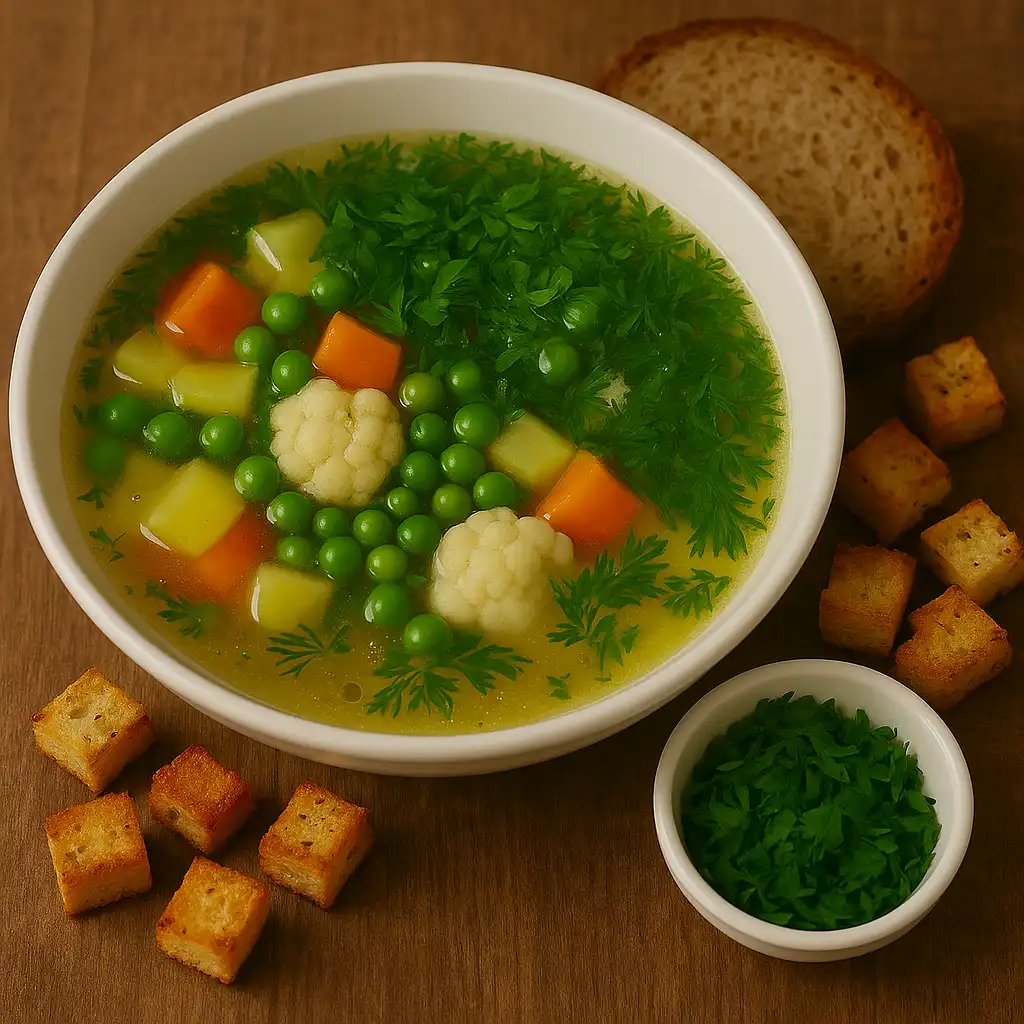
A light vegetable soup is not just an ordinary dish; it is a true symbol of healthy eating, accessible to everyone regardless of age, lifestyle, or dietary preferences. Vegetable soups are considered one of the most beneficial for the body as they are packed with vitamins, minerals, and fiber that contribute to maintaining water balance. This article discusses why a light vegetable soup is the ideal choice for healthy eating, its advantages for the body, how to prepare it correctly, and some of the best recipes and tips.
Content
Vegetable Soup in the System of Healthy Eating
Modern dietologists agree that vegetable soups are not only tasty but also exceedingly beneficial. They are packed with water, which helps maintain an optimal water balance in the body, while also providing essential micronutrients for the organism. Unlike meat-based broth soups, which may contain extractive substances and may increase cholesterol levels, light vegetable soups do not overload the digestive tract, do not elevate cholesterol levels, and do not contain harmful additives.
Vegetable soups — an ideal choice for those who wish to lose weight, as they typically have low calorie content (averaging 150–200 kcal per serving) and help satisfy hunger. Besides that, vegetable soups are recommended for individuals with chronic digestive issues, while the thermal processing of vegetables makes them easier to digest.
Benefits of Light Vegetable Soup
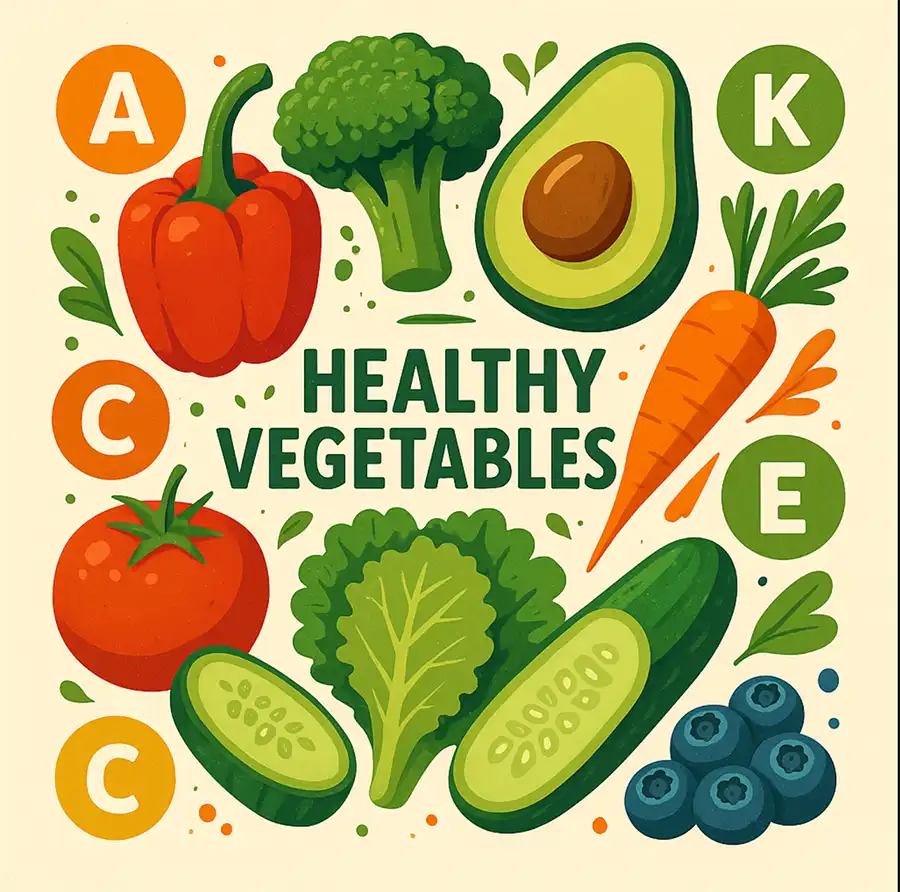
1. Vegetable Oils and Minerals
Vegetables contain vitamins A, E, C, group B, as well as iron, calcium, magnesium, phosphorus, and potassium. Even after thermal processing, a significant portion of these nutrients remains in the broth, especially if the vegetables are not overcooked and you add them to the boiling water. Adding fresh herbs during cooking maximizes the vitamin content.
2. Nutritional Value of Vegetables and Health Benefits
Vegetable soups are a wonderful source of nutrition that enhances digestion, promotes the growth of beneficial gut bacteria, helps lower cholesterol levels, and reduces the risk of heart disease. Especially beneficial are soups with added grains (such as barley or quinoa), beans (such as lentils or chickpeas), or whole grain pasta.
3. Hydration and Easy Digestion
A high water content in the soup helps maintain a proper fluid balance in the body, which is crucial during physical exertion. Light vegetable soup is quickly digestible, does not overwhelm the digestive system, and is suitable for children, the elderly, pregnant women, and nursing mothers.
4. Preventive Health Benefits
Regular consumption of vegetable soups may help reduce the risk of cardiovascular diseases, obesity, diabetes, and also aids in maintaining a healthy weight. Vitamins, minerals, and antioxidants found in vegetables enhance immunity, normalize nervous system function, and improve skin condition.
Tips for Preparing Light Vegetable Soup
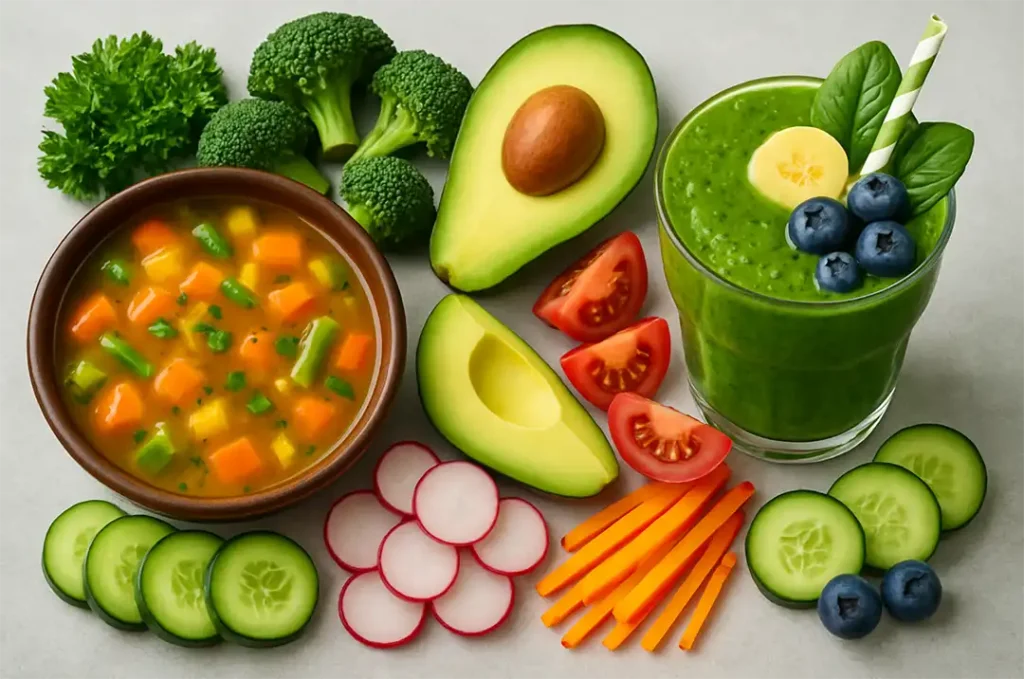
- Use seasonal vegetables — they tend to be richer in vitamins and have better flavor. You can also use frozen vegetables, which maintain their beneficial properties.
- Do not overboil the vegetables — allow them to simmer for no more than 10–15 minutes after sealing to retain maximum nutritional value.
- Avoid adding starch — coating vegetables in oil reduces soup’s health benefits, adds unnecessary calories, and can be carcinogenic. If you want to add cream, vegetables can easily be substituted with dry vermouth or adding a splash of olive oil instead.
- Avoid adding sausages, hot dogs, processed meats, and conserves — they contain a lot of salt, fats, and preservatives.
- Add greens and spices — parsley, dill, basil, chervil, oregano, bay leaf, smoked pepper, and other natural seasonings make soup aromatic and flavorful.
- Control the amount of salt — excessive salt can harm heart health and kidneys. It’s better to add less salt, and you can flavor dishes with spices and greens.
- Cook with pure water or a light vegetable broth. If using meat, make sure it’s homemade, otherwise use another broth.
- Do not use super hot soup — this can harm the intestines. The optimal temperature is warm, but not scalding hot.
- Add whole grain cereals, rice, or legumes — they provide fullness and longevity.
- Do not use boxed or ready-made soups with glutinous additives — they contain a lot of salt and artificial flavor enhancers.
Recipes for Light Vegetable Soups
Classic Light Vegetable Soup
Ingredients:
- Potato — 3 pcs.
- Carrot — 1 pc.
- Onion — 1 pc.
- Tomato — 1 pc.
- Cauliflower — 200 g
- Green pepper — 100 g
- Parsley (fresh, chopped) — bunch
- Water — 2.5 l
- Salt, pepper — to taste
- Bay leaf — 1–2 pcs.
- Olive oil (optional) — 1 tbsp.
Preparation:
- Clean and cut the vegetables into cubes. Break the cauliflower into florets.
- In a pot, heat water, add the potato, carrot, onion, bay leaf, and cook for 10 minutes.
- Add the cauliflower, green pepper, tomato, and cook for another 5–7 minutes.
- Add salt, pepper, and add green. Optionally, add a spoon of olive oil.
- Let it simmer under a lid for 10 minutes. Serve hot.
Vegetable Soup with Rice
Ingredients:
- Rice — 2–3 tbsp.
- Squash — 1 pc.
- Tomatoes — 2 pcs.
- Carrot — 1 pc.
- Sweet pepper — 1 pc.
- Parsley — bunch
- Water — 2 l
- Salt, pepper — to taste
Preparation:
- Cut the vegetables into cubes, peel the tomatoes, and chop.
- In a pot, heat water, add the rice, and cook for 5 minutes.
- Add the carrot, pepper, squash, and tomatoes. Cook for another 10–12 minutes.
- Add green, salt, and pepper. Let it simmer.
Summer Cold Vegetable Soup (Gazpacho)
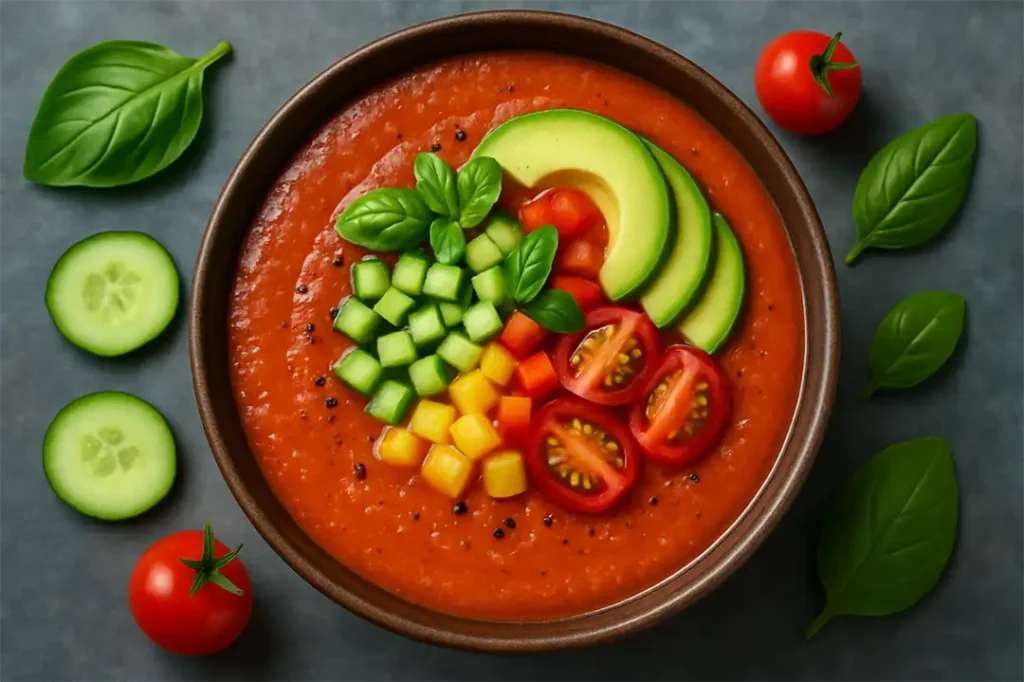
Ingredients:
- Tomatoes — 4 pcs.
- Cucumbers — 2 pcs.
- Bell pepper — 1 pc.
- Garlic — 1 clove
- Olive oil — 2 tbsp.
- Lemon juice — 1 tbsp.
- Herbs — a bunch
- Salt, pepper — to taste
Preparation:
- Chop the vegetables and blend them together with the herbs, garlic, lemon juice, and olive oil.
- Add salt and pepper, refrigerate.
- Serve with greens and herbs.
Vegetable Puree Soup
Ingredients:
- Broccoli — 200 g
- Potatoes — 2 pcs.
- Carrot — 1 pc.
- Onion — 1 pc.
- Water — 1.5 l
- Olive oil — 1 tbsp.
- Salt, pepper — to taste
Preparation:
- Chop the vegetables, pour water, and boil until soft.
- Blend the cooked vegetables until smooth.
- Add salt, pepper, and oil to achieve the desired consistency.
Variants and Modern Interpretations
Vegetable soups can be uniquely complemented by adding various grains (barley, bulgur, pearl barley), legumes (lentils, peas), mushrooms, tofu, sea cabbage, spices (turmeric, ginger, paprika), and also by replacing traditional green with a handpicked spinach or basil. For diabetics and individuals with significant weight, it is recommended to use soups without potatoes, with a large amount of green vegetables.
Hacks for Ideal Vegetable Soup
- Chop vegetables finely – this way they cook faster and better release flavor.
- For thickness, you can add three tablespoons of thickened broth or blend a portion of the vegetables into puree.
- If you want a saturated flavor, start by preparing a vegetable base from roots, and then add the main vegetables.
- Add greens towards the end to preserve aroma and vitamins.
- Leftover soup can be frozen in portions – it’s convenient for quick meals.
Conclusions
A light vegetable soup is a universal, nutritious, and delicious dish, suitable for any age and lifestyle. It helps maintain health, boosts immunity, promotes weight loss, and improves digestion. Preparing vegetable soup is simple, and the variations are endless! Add your favorite vegetables, experiment with spices, and enjoy the benefits every day.