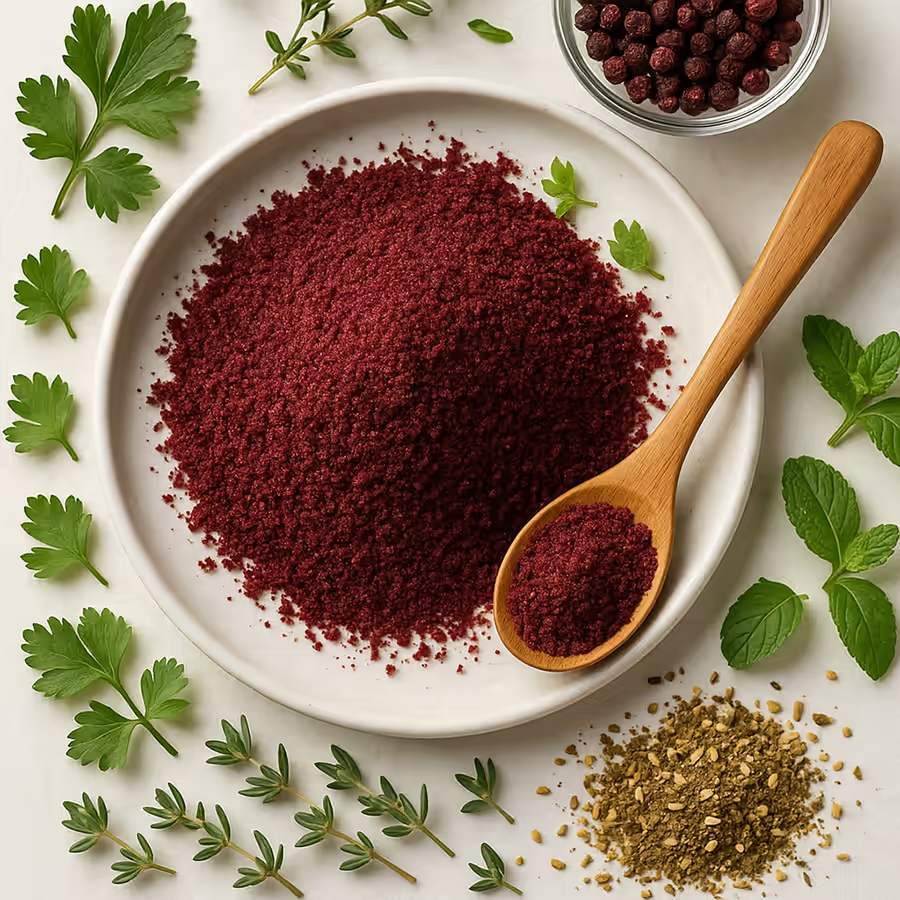
Sumac — this is a tart-red spice that has held a special place in the kitchens of the Near East and Mediterranean for thousands of years. This unique spice with its tangy lemon flavor can transform the blandest dishes into culinary masterpieces, adding depth of flavor and vibrant color. If you have yet to discover sumac for yourself, this detailed guide will reveal everything you need to know about this wonderful spice: from its origins and flavor characteristics to practical tips for using it in home cooking.
Зміст
What is sumac?
Botanical basics
Sumac is made from the dried and ground berries of the shrub Rhus coriaria — a wild plant belonging to the anacardiaceae family. This shrub grows naturally in the arid and rocky environments of the Mediterranean region, the Near East, parts of North Africa, and is widespread from Sicily, through Turkey, Lebanon, Syria to the Caspian Sea.
The name “sumac” derives from the Arabic word “summāq,” which means “dark-red,” and it absolutely accurately describes the characteristic color of this spice. Berries are collected in late summer and early autumn when they achieve a deep burgundy hue, then they are dried in the sun and crushed into coarse powder.
Production and processing
The process of preparing sumac requires delicacy. After harvest, the berries are gently dried, and then crushed and passed through to eliminate the bitter internal seeds. The result is a coarse, tangy red seasoning with a texture that adheres well to dishes. From approximately 60 ml of dried berries, only about 3 tablespoons of sumac powder can be obtained, indicating the concentrated nature of this spice.
Sour flavor profile of sumac
Basic sumac notes
When you have a unique combination between lemon zest and vinegar, think of something in between, but with additional nuances. The main characteristics of the flavor include:
- Acidity Level: A bright lemon-citrus flavor that reminds of lemon or vinegar.
- Mouthfeel: Unlike fresh lemon juice, the acidity is more balanced and delicate.
- Fruity Notes: Light berry and fruity notes add complexity.
- Earthy Tones: A touch of earthy nuances that deepen the flavor.
- Smoky Aroma: A light smoky aroma that creates a unique profile.
Experts often describe the flavor as “tannin, reminiscent of dry red wine, and acidic, like lemon cedar.” Unlike traditional lemon juice or vinegar, the flavor provides a strong dry acidity, making it ideal for dry cocktails, specialty drinks, and garnishes, where it can enhance the texture of a dish.
Comparison with other acids and specialties.
Often the flavor is compared to lemon, it has its unique advantages:
| Specialties/Ingredients | Flavor | Characteristics | Better for |
|---|---|---|---|
| Flavor | Tart, lemony, fruity, smoky | Dry acidity, does not add moisture. | Dry cocktails, garnishes, fusion specialties. |
| Lemon Verbena | Bright citrus, tangy | Unique form, fresh aroma | Marinades, sauces, dressings |
| Lemon Cedar | Citrus, aromatic | Less acidic, aromatic | Distillates, desserts, garnishes |
| Tamarind | Sweet-acidic, tropical | Complex flavor with caramel notes | Chutneys, sauces, carris |
| Amchur (Dried Mango Powder) | Tangy, fruity | Dry, with notes of unripe mango | Indian curry, chutneys, cocktails |
Beneficial properties and lasting value
Lasting blend
The flavor is not just a tangy garnish; it is a true essence of genuine river flavors. It embodies a combination of approximately:
- 71% Acidity
- 19% Sugar (including the unique acidity from the concentrated essence)
- 5% of proteins
- Over 14% of dietary fiber
The product also contains vitamins C, B6, B1, B2, and minerals, including potassium, calcium, and magnesium.
Antioxidants and biologically active compounds
The main value of the product lies in its high content of powerful antioxidants:
- Gallic acid: a phenolic compound that helps neutralize free radicals and reduce oxidative stress.
- Quercetin: a flavonoid known for its protective properties.
- Cempferol: another flavonoid with protective and potential protective activity.
- Myricetin and rutin: additional antioxidants
- Tannins and anthocyanins: compounds with potent antioxidant activity.
Proven advantages for health
Scientific studies have identified numerous benefits of the product for health:
1. Regulation of blood sugar levels: A 2014 study involving 41 people with diabetes showed that a daily dose (3 grams) significantly improved average blood sugar levels and antioxidant markers compared to the placebo.
2. Support for heart health: The product may help reduce cholesterol levels and improve cardiovascular health.
3. Anti-inflammatory effect: Antioxidants can reduce inflammation in the body, which is beneficial for arthritis, cardiovascular issues, and other chronic inflammatory conditions.
4. Strengthening immunity: High vitamin C content supports the immune system and skin health.
5. Anti-cancer properties: Research indicates that the product may have anti-cancer properties, protecting against certain infections.
6. Natural diuretic: Traditionally, the product is used to eliminate toxins and improve kidney function.
How to use the product in cooking
Traditional uses in Asian cuisine
Sumac is a primary spice in Mediterranean and Middle Eastern cuisines and has been used for centuries. Here are the most popular ways to use it:
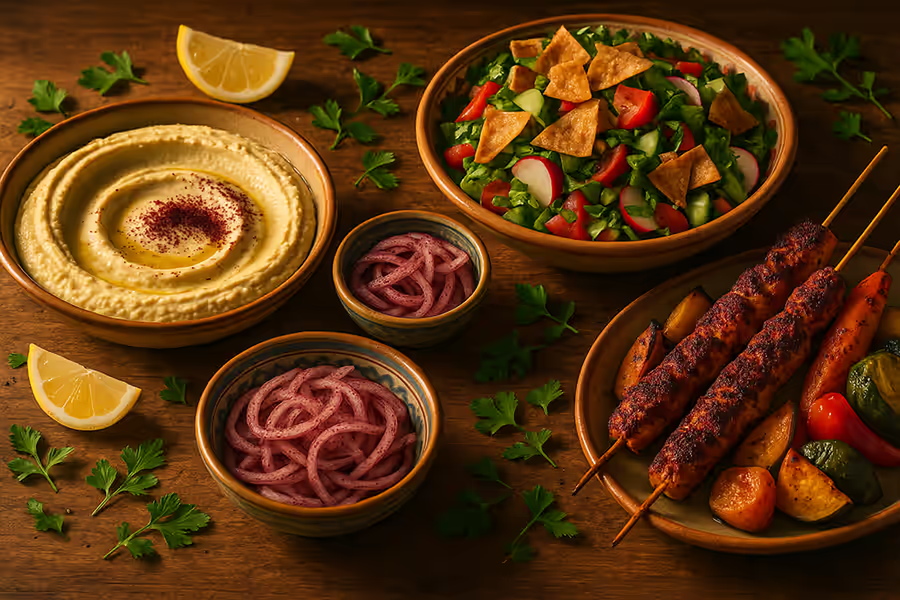
1. Sumac za’atar: Sumac is a key component of the legendary spice mix za’atar, which also includes thyme, sesame seeds, and salt. This spice is sprinkled on bread, hummus, labneh, and is used for seasoning meat and vegetables.
2. Garnish for hummus and dips: Sprinkle the spice on top of hummus, labneh, or yogurt for a vibrant color and a tart punch.
3. Marinades: Combine the spice with olive oil, garlic, and herbs for marinating chicken, fish, or vegetables. The acidity helps balance richness.
4. Fatoush salad: This traditional Levantine salad is made without sumac. It features fresh vegetables, greens, toasted pieces of pita, and a dressing with sumac.
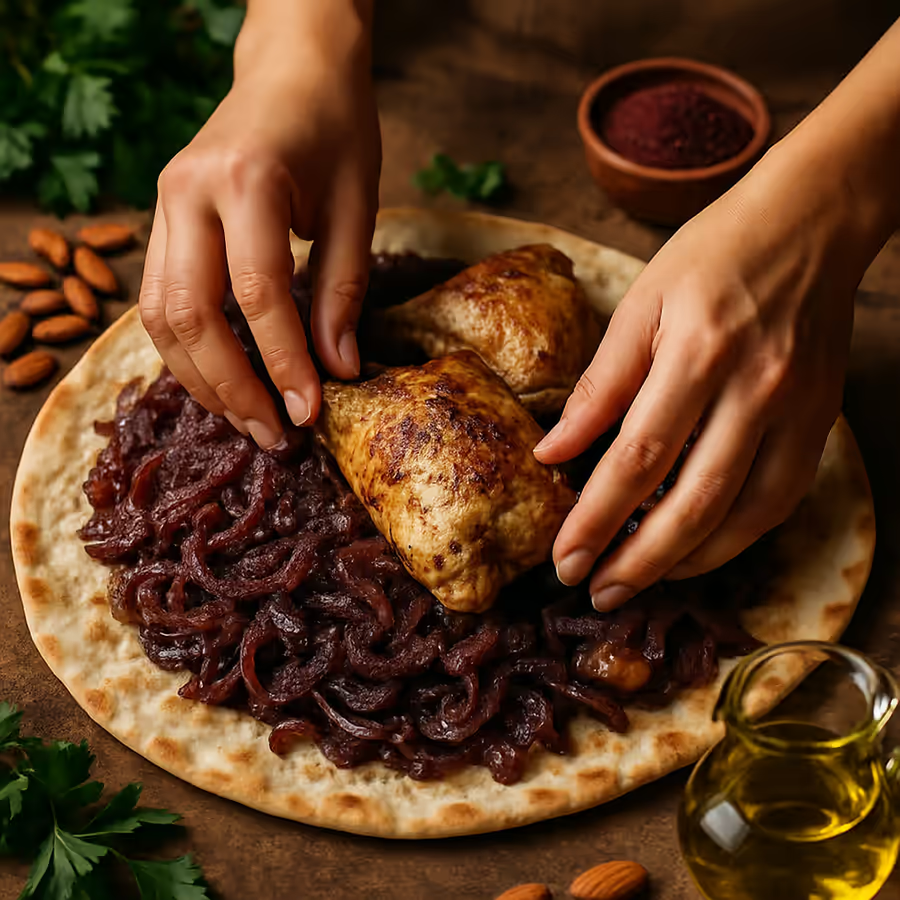
5. Musakhan: The national dish of Palestine — chicken with sumac-flavored caramelized onion, a generous amount of spice, and olive oil, served on flatbread.
Modern culinary applications
Sumac has transcended traditional kitchens and found its place in modern gastronomy:
- Dressings for salads: Mix sumac with olive oil, lemon juice, and honey for a unique dressing.
- Pickled vegetables: Sprinkle dill, carrots, or Brussels sprouts with sumac before pickling.
- Carpaccio with sumac: Add a spicy accent to carpaccio with sumac, drizzled with their dressing and a bit of paprika.
- Popcorn: Sprinkle sumac over popcorn with olive oil and sea salt for a piquant snack.
- Yogurt sauces: Add the mixture to yogurt for a refreshing sauce for meat or vegetables
- Rice and grits: Mix the seasoning with rice, quinoa, or bulgur for a Mediterranean accent
Table input with spices and ingredients
Sauces go wonderfully with many other flavors. Here is a comprehensive table of pairings:
| Category | Ingredients/Spices | Notes |
|---|---|---|
| Spices | Cumin, coriander, dill, cardamom, cinnamon, nutmeg, hot pepper, clove | Create complex Asian spice profiles |
| Herbs | Parsley, coriander, chervil, oregano, marjoram, thyme, basil | Fresh or dried – all work wonderfully |
| Meat | Beef, turkey, yellowfin tuna, fish, pork | Acidity balances the fat of the meat |
| Vegetables | Cucumbers, tomatoes, onions, colored cabbage, eggplant, carrot, pepper, Brussels sprouts, sweet potato | Adds brightness and freshness |
| Legumes | Nut, chickpeas, lentils | Ideal for hummus and salads |
| Dairy products | Feta, halloumi, yogurt, labneh, sour cream, butter | Acidity contrasts with creaminess |
| Nuts | Cedar nuts, pistachios, almonds, walnuts | Add texture and longevity |
| Citrus fruits | Lemon, lime, grapefruit | Enhance the natural acidity of the sauce |
How to make the sauce at home
If you have access to fresh sumac berries (Rhus coriaria), you can prepare your own spice. Here is the outline:
Instructions for preparation
Step 1: Collect berries
- Gather red sumac berries in late summer or at the beginning of autumn (September-October)
- Important: Collect on dry days, as moisture can ruin the flavor
- Make sure you collect the correct variety (Rhus coriaria), and not the toxic varieties
Step 2: Drying
- Give berries into a cold and dark place for 1-2 weeks.
- This preserves the unique aroma of the berries.
Step 3: Preserving Berries
- Preserve the berries by hand.
Step 4: Detailed Description
- Place the preserved berries in a blender, food processor, or special sieve for processing.
- Mix with short impulses — do not overdo it!
- When you see the bright color of the berries, it means it’s time to stop.
Step 5: Straining
- Strain the preserved mixture through a fine sieve or cloth for filtering.
- The red puree that passes through the sieve is your syrup.
- Bitter berries remain in the sieve — discard them.
Step 6: Storage
- Store in an airtight container in a cold, dark, and dry place.
- Add a few tablespoons of lemon juice to extend the shelf life.
Proportions: Approximately 1/2 cup (125 ml) of preserved berries gives you about 3 tablespoons of ready-made syrup.
Recipes with syrup
1. Za’atar Seasoning
This is a versatile seasoning blend made from various spices.
Ingredients:
- 2 tablespoons of dried thyme
- 2 tablespoons of sumac
- 2 tablespoons of ground sesame seeds
- 1 tablespoon of dried oregano
- 1 tablespoon of dried marjoram (or additional oregano)
- 1/2-1 teaspoon of fine sea salt
Preparation:
- Mix the ground sesame seeds with other ingredients on a dry skillet over medium heat for 2-3 minutes.
- Let cool.
- Combine all ingredients in a bowl or food processor.
- Mix thoroughly to create a fine aromatic blend.
- Store in an airtight container in the refrigerator for up to a month.
Usage: Sprinkle on hummus, mix with olive oil for a dip, or use for marinating chicken or vegetables.
2. Fattoush Salad with Sour Dressing Made with Syrup
A traditional Levantine salad with crisp pita and vibrant dressing.
Ingredients for the salad:
- 1/2 head of lettuce, torn into pieces
- 2 tomatoes, chopped into cubes
- 2 cucumbers, chopped into cubes
- 2 red peppers, finely chopped
- 1 green pepper, chopped
- 4 stalks of green onion, chopped
- 2 tablespoons of chopped parsley
- 2 tablespoons of chopped mint
- 2 cloves of garlic
- 100 g of feta cheese, crumbled (to taste)
- Fresh pomegranate seeds for garnish
For the dressing:
- 3 tablespoons of olive oil
- 2 tablespoons of lemon juice
- 1 teaspoon of sugar
- 1 tablespoon of granulated garlic or balsamic vinegar
- Salt and pepper to taste
Preparation:
- Chop the parsley and mint into small pieces
- Mix the oil in a skillet and add the chopped ingredients until they turn golden color
- Before serving, drizzle the dressing over the salad (to taste)
- Mix all vegetables and greens, place in a large bowl
- Combine the dressing ingredients in a separate bowl
- Toss the salad with the dressing, add the chopped mint and feta
- Serve with fresh pomegranate seeds
3. Sautéed zucchini with garlic
Roasted zucchini with smoked garlic and aromatic spices.
Ingredients for the marinade:
- 1/4 cup (60 ml) of olive oil
- 1/4 cup (60 ml) of lemon juice
- 1-1.5 tablespoons of crushed garlic
- 5 cloves of garlic, minced
- 1 teaspoon of dried thyme
- 2 teaspoons of sea salt
- 1 teaspoon of black pepper
- 1/2 teaspoon of red pepper flakes (to taste)
Ingredients for the chicken:
- 1.5 kg of chicken breasts or thighs
Preparation:
- Mix all marinade ingredients in a bowl
- Add the chicken, turning to coat completely with the marinade
- Marinate in the refrigerator for 1-3 hours (or overnight)
- Remove chicken from the refrigerator 30 minutes before cooking
- Preheat the oven to 190°C or prepare the grill
- Place the chicken on a tray or grill
- Cook for 30-35 minutes (in the oven) or until fully cooked
- For taste, grill in the last 2-3 minutes for a crispy crust
- Serve with extra marinade before serving
4. Baked vegetables with garlic
Simple and aromatic garnishment.
Ingredients:
- 800 g of mixed vegetables (carrot, cauliflower, Brussels sprouts, zucchini, sweet potato)
- 1/4 cup (60 ml) of olive oil
- 1-2 teaspoons of garlic
- Chickpea and pepper salad
- Fresh parsley for garnish
- Lemon segments for serving
Preparation:
- Preheat the oven to 200°C
- Cut the vegetables into even pieces
- Mix olive oil, cumin, salt, and pepper in a large bowl
- Add the vegetables and toss to coat them evenly
- Spread the vegetables on a baking sheet in a single layer
- Bake for 25-45 minutes (depending on the vegetables), turning halfway
- Garnish with fresh parsley and serve with lemon segments
5. Hummus with cumin
Classic hummus with a tangy twist.
Ingredients:
- 400 g of canned chickpeas (or 1 can)
- 1/4 cup (60 ml) tahini
- 1/4 cup (60 ml) lemon juice
- 2 cloves of garlic
- 1-1.5 tsp. cumin (plus more for garnish)
- 1/2 tsp. salt
- 1/2 tsp. pepper
- 2-3 tbsp. water from the chickpeas or regular water
- 2 tbsp. olive oil for garnish
Preparation:
- Add chickpeas, tahini, lemon juice, garlic, cumin, salt, and pepper to a blender
- Add 2-3 tbsp. water
- Blend until smooth, adding more water as needed
- Transfer to a bowl
- Using a spoon, create a swirl on top
- Drizzle with olive oil
- Sprinkle with paprika for flavor
- Serve with pita, vegetables, or crackers
6. Turkish salad with chickpeas
Bright and refreshing with a tantalizing zing.
Ingredients:
- 1 large red onion, finely chopped
- 1.5-2 tbsp. cumin
- 1 tbsp. lemon juice
- 1 tbsp. olive oil
- 2 tbsp. finely chopped parsley
- 1/2 tsp. kosher salt
- 1/4 tsp. Aleppo pepper (to taste)
Preparation:
- Finely chop the red onion and add to a mixing bowl
- Optional: soak the onion in cold water for 10 minutes to reduce sharpness
- Drain the water and rinse
- Add chickpeas, lemon juice, and olive oil, parsley, and salt
- Massage gently with your hands for 1-2 minutes until the onion becomes tender
- Let marinate for 5-30 minutes
- Serve with kebabs, shawarma, lavash, or add to salads
7. Musakhan — Palestinian chicken with chickpeas
A national dish of Palestine featuring a generous amount of onion and chickpeas.
Ingredients for the chicken:
- 1 whole chicken, cut into 8 parts (or 8 pieces)
- 2 tbsp olive oil
- 1 onion, chopped
- Salt, pepper
- 2 bay leaves
- 3 boxes of cardamom
- Water for boiling
For the caramelized onion:
- 3/4-1 cup (180-240 ml) olive oil
- 5 large onions, thinly sliced
- 1 tbsp cumin
- 1 tsp salt
- 1 tsp black pepper
- 1 tbsp chili pepper
- 2-3 tbsp sugar (plus more for seasoning)
- 1 cup (175 g) blanched almond slices
For serving:
- 6 lavash sheets, pita or naan
Preparation:
- Sauté the onion in oil, add the chicken and sauté with all sides
- Add spices, cover with water and boil to tenderness (40 min)
- Remove the chicken, proceed to basting
- In a large skillet, fry the oil, add chopped onion
- Cook on medium heat until caramelized (about 5 minutes)
- Add spices (except sugar) and almonds
- Pour 1.5 cups of chicken broth, stir
- Heat the oven to 180°C
- Wrap pieces of chicken in onion mixture
- Place chicken on the deck, sprinkle with sugar
- Grill or bake until golden brown
- Wrap the lavash in onion mixture, place separately on a deck
- Place the onion on top, sprinkle with sugar and bake until crispy
- Serve the chicken on lavash with onion
8. Persian rice with nuts (Nuts Palace)
Armenian rice with crispy crust tahdig.
Ingredients:
- 3 cups rice basmati
- 6 tbsp sugar
- 500 g of fish (trout or salmon)
- 4-5 tomatoes cherry
- 1/4 tsp saffron, dissolved in 2 tbsp hot water
- Olive oil
- Salt, pepper, turmeric, spices
- 1 onion, chopped
Preparation:
- Rinse rice several times, soak for 30 minutes
- Make thick fillets with fish, spices and onion.
- Wrap the cherry tomatoes in olive oil
- Boil rice to fluffiness, add water
- Mix 3/4 cup rice with saffron
- In the pan place the oil, spread saffron rice
- Add 1/3 of the white rice, stir, add 2 tablespoons of sugar.
- Add the diced tomatoes and cucumbers.
- Add another 1/3 of the rice, 2 tablespoons of sugar, the diced tomatoes and cucumbers.
- Finish with the remaining third of rice and 2 tablespoons of sugar.
- Cover with paper towels and a lid.
- Cook over medium heat for 45-50 minutes.
- Let it sit for 5 minutes, check on the plate.
- Serve with crispy golden skin and tahini.
Instead of sugar: what to use to replace it.
If you don’t have sugar at hand, there are some alternatives, but none give an absolute such flavor:
| Substitutes. | proportions. | Best for. | Applications. |
|---|---|---|---|
| lemon zest + salt | 1 teaspoon of sugar = 1 teaspoon of lemon zest + a pinch of salt. | Salads, dressings, marinades. | The best substitute for sugar. |
| Fennel seeds | 1 teaspoon of sugar = 1/2 teaspoon of seeds. | Rare dishes, marinades. | Adds moisture. |
| Tamari soy sauce | 1 teaspoon of sugar = 1/2 teaspoon of tamari. | Meats, sauces, marinades. | More sweetness and complexity. |
| Amchur powder | 1 teaspoon of sugar = 1/2 teaspoon of amchur. | Indian dishes, pickles. | Fruity acidity. |
| Granulated garlic | 1 teaspoon of sugar = 1/2 teaspoon of garlic powder. | Cheeses, marinades. | Sweet-sour, changes color. |
| Dried hibiscus | 1 teaspoon of sugar = 1 teaspoon of hibiscus. | Salads, dressings. | Floral sweetness. |
| Red wine vinegar | 1 teaspoon of sugar = 1/2 teaspoon of vinegar. | Dressings, marinades. | Adds complexity. |
Homemade sugar substitute:
- 2 tablespoons of cedar lemon.
- 1/8 teaspoon of sea salt.
- 1/16 teaspoon of lemon acid.
- 1/16 teaspoon of beet powder (for color).
Mix all ingredients and use as regular sugar.
Storage of sugar: how to preserve freshness.
Correct storage guarantees that your sugar remains aromatic and potent.
Optimal storage conditions.
Quality: Store the product in airtight packaging or in a metallic container that blocks UV light.
Storage location: A cool, dark, and dry place — ideally suited for storage behind a sealed door, away from humidity and direct sunlight.
Temperature: Ambient temperature in a dry location. DO NOT store in the refrigerator — moisture can lead to clumping and spoilage.
Term of validity:
- Under proper storage: 3-4 years
- In ordinary conditions: up to 1 year
- After opening: use within 6 months for best quality
Signs of clumped product
Remove any clumps, if present:
- May have an unsealed or faded appearance
- Forms of clumping or moisture on the product
- Loses a bright red color and turns brownish or pale
- Does not have a characteristic acidic aroma
How to select quality product when purchasing
To obtain the best quality and utility, follow these recommendations when buying the product:
Pointers for quality
1. Color: Look for a bright, earthy dark red-brown hue. Darker tones can indicate age or poor processing.
2. Aroma: Fresh product should have a tangy, citrus-like smell. Fading indicates exposure to humidity or the onset of color change.
3. Texture: Fine, powdery consistency without clumping. Clumping indicates moisture, which worsens quality.
4. Purity: Verify that the label states “Rhus coriaria” and “100% pure.” Avoid products with fillers, such as salt or starch.
5. Origin: The best product originates from Syria, Turkey, Lebanon, and the Mediterranean region.
6. Packaging: Prefer dark glass containers or metallic packages that protect from UV light.
Where to buy
- Specialized stores: High quality and freshness
- Local specialty product stores: Authentic variants
- Online Stores: Amazon, specialized websites
- Organic and certified suppliers: Without pesticides and additional chemicals
Price Range: Pure sumac typically costs between $8 and $18 for 100 grams. Notably low prices (less than $6/100g) may indicate adulteration or low quality.
History and cultural significance
Ancient usage
Sumac has a rich history, dating back thousands of years. In ancient Greco-Roman times, sumac was used for:
- Coloring agents: Berries provided a red dye
- Double tanned leather: High tannin content is great for leather production
- Alternative medicine: Believed to have antioxidant and anti-inflammatory properties
Romans used sumac in cuisine as a way to enhance the flavor of dishes — similar to how we currently use lemon or vinegar. The prolonged usage of sumac was a staple in European cuisine, particularly as Europeans did not have access to lemons.
Sumac in the Medieval period
During the medieval period, from the 13th to the 15th century, sumac often appeared in culinary books used by married Europeans. One dish, known as “sumāqiyya” — a stew with sumac — was frequently referred to by Europeans as “somacchia.”
Sicilian production
Interestingly, Sicily played an important role in sumac production. Arabs in Sicily promoted its cultivation and use between the 9th and 11th centuries, transforming wild sumac into a valuable agricultural and economic resource. At the beginning of the 19th century, Sicilian sumac had such a reputation for quality that it was sought after in France, Great Britain, and even in the United States. During that time, exports took second place to the importance of only after pomegranates.
Contemporary usage
Today, sumac remains a key ingredient in Middle Eastern cuisine:
- Iran: Typically used as a base seasoning for meats and vegetables.
- Turkish: Traditionally used in salads, kebabs, and served in restaurants that specialize in grilled meats.
- Lebanon and Syria: Incorporated in fattoush and muhammara.
- Palestine: Muhammara is considered a national dish.
- Vermenia, Azerbaijan, Pakistan, India: Added to rice and kebabs.
Frequently Asked Questions (FAQ)
Is sumac poisonous?
No, Rhus coriaria sumac is completely safe for consumption and has been used for thousands of years. However, it is important not to confuse culinary sumac with poisonous varieties that grow in North America (for example, Toxicodendron vernix). Always buy the spice labeled “food” from trusted suppliers.
What flavor does sumac have?
Sumac has a tart, lemony-citrus flavor with hints of fruity-yet-earthy notes. It is milder and less balanced than lemon zest or juice, with additional dim notes.
Can it be consumed daily?
Yes, the consumption of sumac in moderate amounts is safe daily. It is rich in antioxidants and has numerous health benefits. However, it is important for pregnant women to consult with a doctor before regular consumption.
Does it lose properties with thermal processing?
It is better to add it at the end of cooking or as a garnish to preserve its vibrant color and tangy taste. Some antioxidants may diminish at high temperatures, so many dishes include the spice in marinades and during the final stages without significant loss of flavor.
Is it suitable for children?
In small quantities, it is safe for children over 3 years old. It can be a great alternative spice for adding flavor to children’s diets.
Can sumac replace lemon in recipes?
Yes, you can substitute lemon zest in many recipes, especially in dry dishes where the liquid is not needed. However, in rare cases (soups, sauces), it’s better to use lemon zest or combine the seasoning with other ingredients.
Does lemon zest help with weight loss?
Thanks to its antioxidant properties, lemon zest can speed up metabolism, reduce water retention, and help control appetite, which may support the weight loss process. However, it is not a magic solution and should be used as part of a balanced diet.
Can lemon zest be used in desserts?
Yes! Lemon zest can be added to desserts for an interesting sour contrast. Try combining it with fruity salads, vanilla ice cream, chocolate brownies, or adding it to the dough for a refreshing alternative to lemon zest.
Is it necessary to store lemon zest in the fridge?
No, do not store lemon zest in the fridge. Moisture can lead to spoilage and deterioration. Keep it in an airtight container in a cool, dry, dark place at room temperature.
What is the difference between lemon zest and za’atar?
Lemon zest is a spice made from the grated peel of citrus fruits, while za’atar is a spice blend that includes lemon zest mixed with sesame seeds, thyme, and other herbs. Some variations of za’atar may also include oregano, marjoram, or other herbs.
Is organic lemon zest better?
Organic lemon zest does not contain pesticides and additives, making it a healthier and more natural option. Hand-picked lemon zest is also a wonderful choice, although it often has a stronger flavor and retains its freshness.
How much lemon zest should be added to a dish?
This depends on the recipe and personal preference. Usually:
- Garnishes: 1/2-1 tsp per serving
- Dressings: 1-2 tsp per 1/4 cup of oil
- Marinades: 1-1.5 tbsp per 1 kg of meat
- Za’atar: 2 tbsp of lemon zest per mixture
Start with a smaller amount and add more to taste.
Conclusion
Sumach is an abundant spice that is more than just an exotic ingredient. It is a universal ingredient with a rich history, vivid color, and numerous health benefits. From traditional Middle Eastern dishes, such as fattoush and muusakhan, to modern culinary experiments, its addition gives a unique tartness that cannot be replaced by any other spice.
Thanks to its high content of antioxidants, anti-inflammatory properties, and ability to regulate blood sugar levels, sumac is not only flavorful but also a beneficial addition to your diet. It’s easy to use – simply sprinkle it on salads, vegetables, meat, or add it to marinades and dressings.
If you haven’t added this spice to your culinary arsenal yet, now is the perfect time to do so. Get some quality sumac with a deep red color and bright aroma, store it correctly, and you’ll enjoy this wonderful spice for years to come. Experiment with recipes and discover new flavor combinations, and see how this spice transforms your everyday dishes into true culinary masterpieces!
Enjoy! 🌶️🍋