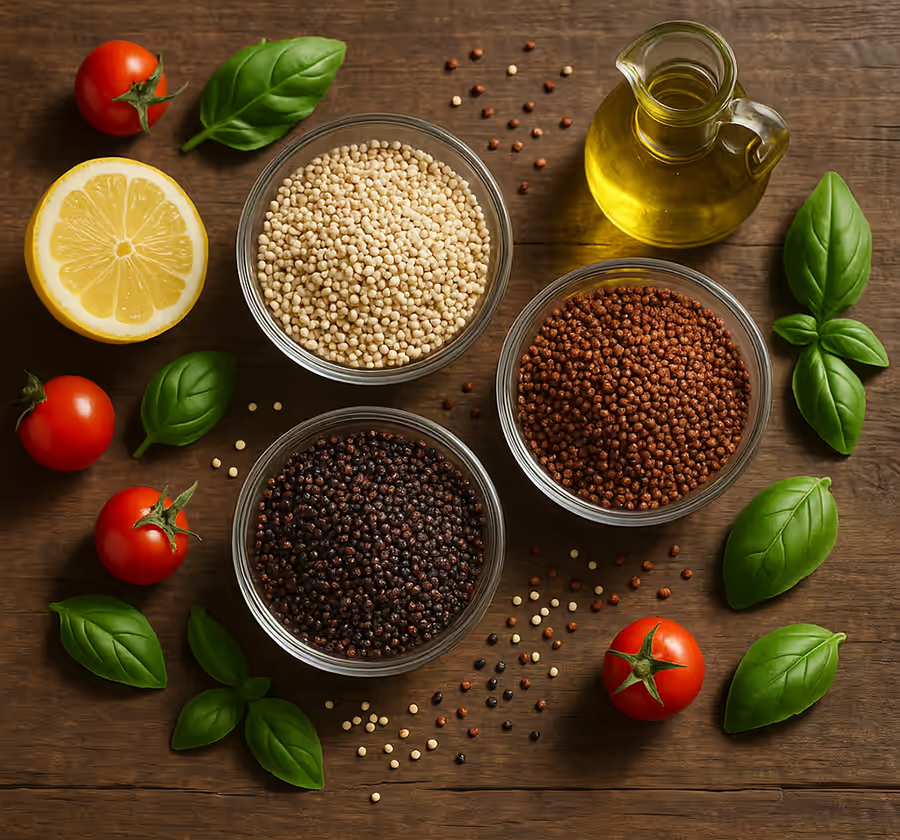
Quinoa is a nutritious grain that, over the last decade, has gained recognition as one of the most versatile products in the world. This ancient culture has become an essential ingredient in the menus of modern healthy eating, vegetarians, sports enthusiasts, and people with specific dietary needs. In this article, you will discover everything about quinoa: from its history and origins to detailed recipes of dishes that can be prepared from it.
Content
What is quinoa: history and origins
Quinoa (Chenopodium quinoa) is a grain crop, a native plant of the family Amaranthaceae, which originates from the high-altitude regions of South America. Archaeological studies suggest that quinoa cultivation began around 5000-7000 years ago in the Andes on the territories of present-day Bolivia, Peru, and Ecuador.
In the Inca civilization, quinoa occupied a special place—it was one of the three staple foods alongside corn and potatoes. The Incas referred to it as “chisiya mama”—’mother of all grains’ or ‘golden grain’, highlighting its exceptional nutritional value. Interestingly, after the conquest of South America, Spanish conquistadors banned the cultivation of quinoa under the threat of death, as indigenous people considered it in religious ceremonies. Only a few small crops survived in the highlands, where local residents continued to cultivate this valuable plant.
In 2013, FAO declared the International Year of Quinoa, recognizing the importance of this crop for preserving the culture of native peoples for future generations. Following this declaration, quinoa gained global popularity and began to appear on store shelves worldwide, including in Ukraine, where its cultivation started in 2020.
Types of quinoa: white, red, or black—how to choose?
I want to try over 120 types of quinoa, in sales the most common ones include three basic types, which differ not only in color, but also in texture and nutritional value.
White quinoa
White (also known as cream, beige, or golden) — is the most popular and available type. It has the mildest flavor with slight nutty notes and the fluffiest texture after cooking. White quinoa cooks the fastest (about 15 minutes) and has the lowest glycemic index — 50. Generally, its neutral flavor is ideal for daily garnishes, porridge, soups, and as a universal base for different dishes.
Red quinoa
Red stands out with a brighter color, which remains even after cooking. It has a higher content of protein and fiber compared to white, and also contains more antioxidants — in particular, betalains, which provide beets with their unique characteristic color. The texture of red quinoa is denser and crunchier — it wonderfully retains its shape after cooking, making it the ideal choice for cold salads. The flavor is richer, more intense, with nutty notes.
Black quinoa
Black — is the rarest of all types, as it usually contains less fat compared to white and red. However, it can boast the highest content of antioxidants, including anthocyanins — the same substances that give blackberries and eggplants their pigmentation. The texture of black quinoa is the crunchiest and thickest, it absorbs flavors better than other types. The flavor profile is earthy, with slight sweetness. Thanks to its aesthetic appearance, black quinoa adds visual contrast and sophistication to dishes.
Rainbow quinoa combines all three varieties in one package, offering you the advantages of each type and creating a beautiful presentation on the plate.
Nutritional value and unique properties
Quinoa is commonly referred to as a superfood due to its exceptional nutrient content. In 100 grams of cooked grains, it contains roughly 120-222 calories, depending on the cooking method. Additionally, it can contain 4.4-8 grams of protein, 1.9-3.55 grams of fat, 19.4-39 grams of carbohydrates, and 2.8-5 grams of fiber.
Complete protein plant
What makes quinoa truly unique among plant-based foods is its complete amino acid profile. The grain contains all nine essential amino acids, which the human body cannot synthesize on its own and must obtain from food. Particularly noteworthy is the exceptionally high content of lysine (4.8 g per 100 g of grain) — an amino acid that is often lacking in most grain cultures. Lysine plays a crucial role in muscle regeneration, tissue repair, and the synthesis of hormones, enzymes, and antibodies, and also has a role in collagen formation which is important for skin, bones, and tissues.
Apart from lysine, quinoa is rich in threonine (3.7 g per 100 g of grain) and methionine (1.9 g per 100 g of grain). Each protein of quinoa is easily accessible to the body, having more than 100% bioavailability, making it an ideal product for vegetarians, vegans, athletes, and people recovering from illness.
Rich in vitamins and minerals
Quinoa is truly a remarkable source of microelements. One serving (100 g) provides:
- Iron — 15% of the daily norm, making quinoa a valuable product for these crucial dietary needs
- Magnesium — 28% of the daily norm (64 mg), essential for iron metabolism in the body
- Manganese — 51% of the daily norm, important for metabolism and the development of tissues
- Copper — 39% of the daily norm, critically important for a healthy heart
- Cink — 18% more of the recommended norm, supports immunity.
- Phosphorus — 22% more of the recommended norm, essential for bone health.
- Folic acid — 19% more of the recommended norm, particularly important for pregnant women.
- Vitamin B6 — 13% more of the recommended norm.
- Vitamin E — 8% more of the recommended norm, powerful antioxidant.
Notably contains high levels of vitamin B6 and folic acid, practically satisfying the added needs of adults. For children, fish liver oil provides 80% of the recommended norm and 40% for adults.
Powerful antioxidants.
Quinoa is exceptionally rich in two unique flavonoids of plant origin — quercetin and kaempferol. These compounds have proven anti-inflammatory, antiviral, protective, and antidepressant effects. Quinoa is particularly high in quercetin.
Gluten-free.
Quinoa is naturally gluten-free, making it safe for people with celiac disease (non-celiac gluten sensitivity) or sensitivity to this protein. In this case, it does not compromise the nutritional value of traditional grain cultures.
Low glycemic index.
Glycemic index (GI) of quinoa is 50-54, which classifies it as a low GI product. For comparison, the GI of brown rice is 70-80. Glycemic load of one serving of cooked quinoa (185 g) equals 18, which is considered a moderate indicator. This indicates that quinoa triggers a moderate and stable increase in blood sugar levels, helping to uniquely regulate different levels of glucose and insulin.
Benefits of quinoa for health: scientifically proven facts.
Heart and cardiovascular health.
High fiber content in mung beans and low-calorie grains may contribute to reduced arterial stiffness and support the health of the cardiovascular system. Research indicates that regular consumption can lower the level of triglycerides and reduce the risk of metabolic syndrome in individuals with obesity.
Control of sugar diabetes
A low glycemic index makes quinoa an ideal choice for people with diabetes or prediabetes. Scientific studies confirm that consuming it can improve the hemoglobin A1c level in individuals with prediabetes. The equal intake of fiber (5.18 g per serving) and protein (8.14 g) ensures adequate energy levels, maintaining stable blood sugar levels throughout the day.
Support for weight loss
Quinoa has become a popular food product among those looking to lose weight and not gain it back. Its high fiber and protein content create a lasting feeling of fullness, reducing overall calorie intake. A low glycemic index helps prevent energy crashes and hunger spikes, which often trigger high sugar cravings.
Health of the digestive system
A high fiber content (2.8-5 g per 100 g) positively influences the functioning of the intestine and the colon. Fiber helps detoxify the body from toxins, stimulates the motility of the intestines, supports a healthy microflora, and prevents dysbiosis. Regular fiber intake supports bowel movement and fosters the growth of beneficial gut bacteria.
Preventive maintenance of anemia
Quinoa – one of the best plant-based sources of iron, providing 15% of the daily norm per 100 grams. Uniquely made for people, particularly for those who maintain an active lifestyle or are in reproductive age.
Boosting immunity
Antioxidants in quinoa — quercetin, camphor, and vitamin E — protect the cells of the organism from the damaging effects of free radicals, reducing the risk of chronic diseases and oncology. These substances also have strong anti-inflammatory properties.
Dental health of teeth and gums
High content of calcium, phosphorus, and magnesium, as well as lysine, which balances the calcium intake, make quinoa an indispensable product for strengthening teeth, gums, and hair.
How to properly cook quinoa: basic instructions
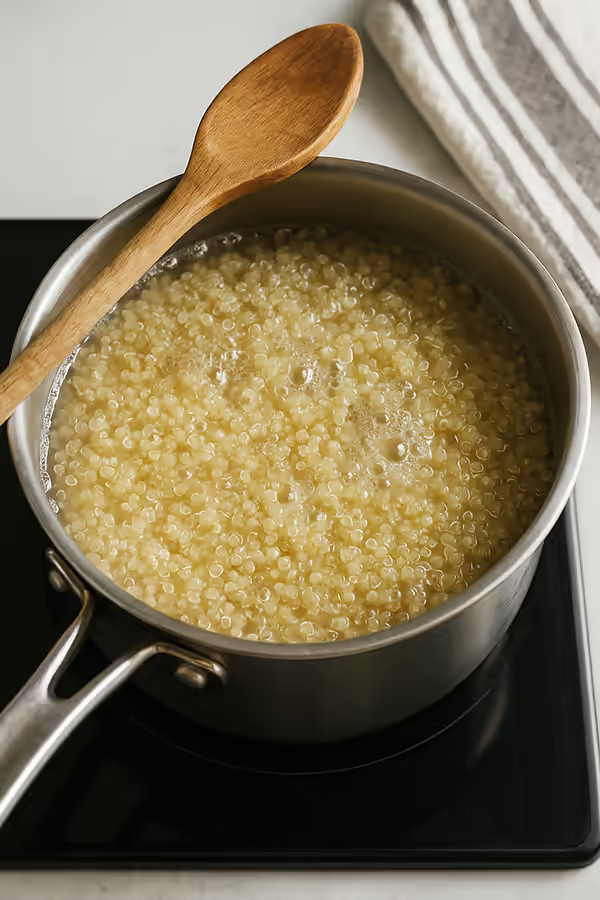
Why quinoa can be bitter and how to prevent this?
Native quinoa should be covered with natural protective shell — saponins. These substances give the grain a bitter taste and can cause a light allergic reaction in the digestive system. Therefore, it is exceptionally important to rinse quinoa before preparation.
How to properly rinse quinoa:
- Rinse the required amount in fine sieve
- Rinse under cold running water for 1-2 minutes, lightly rubbing the grains with your hands
- The water should be clear — this indicates that the saponins are removed
- Alternative method: soak for 15-20 minutes in cold water, then rinse thoroughly
Some manufacturers clean quinoa from saponins already at the production stage — on the packaging of such products usually has a corresponding label “pre-washed”.
Basic recipe for preparing quinoa
Proportions: 1 part of grains : 2 parts of water (or broth)
Time for preparation: 15-20 minutes
Cooking instructions:
- Rinse the grains under cold water for 1-2 minutes until the water is clear
- In a saucepan, add 2 cups of water (or vegetable/chicken broth for more flavor) to the quinoa
- Add 1 cup of diced tomatoes and a pinch of salt
- After the second boiling reduce the heat to minimum, cover with a lid
- Boil for 15-20 minutes, until all the liquid is absorbed. During boiling do not remove the lid and do not stir!
- Immerse the casserole in boiling water and let it sit under the lid for another 5-10 minutes
- Spread the filling before serving
Preparation signs: peas should float in a transparent layer, and small white “angels” will appear during proper cooking.
Alternative methods of preparation
In the multicooker: use the “Porridge” mode or “Steaming”, keeping the same proportions of 1:2. Cooking time – 15-20 minutes.
In the oven: preheat the oven to 180°C. Place the quinoa mixed with water in a baking dish, cover with foil or a lid. Bake for 25 minutes.
In the microwave: place the quinoa in a deep bowl for microwaving, add water in a ratio of 1:2, add salt. Cover with a lid and heat at maximum power for 6 minutes, stir, then heat for another 2 minutes until the water is completely absorbed.
Tips for the ideal taste
- Rinse the quinoa under running water for 2-3 minutes before cooking – this helps remove the bitter coating
- Use broth instead of water for a richer flavor
- Add spices during cooking: bay leaf, turmeric, thyme, paprika
- Mix different types for interesting texture and color
Detailed recipes with quinoa: from salads to desserts
Salads with quinoa
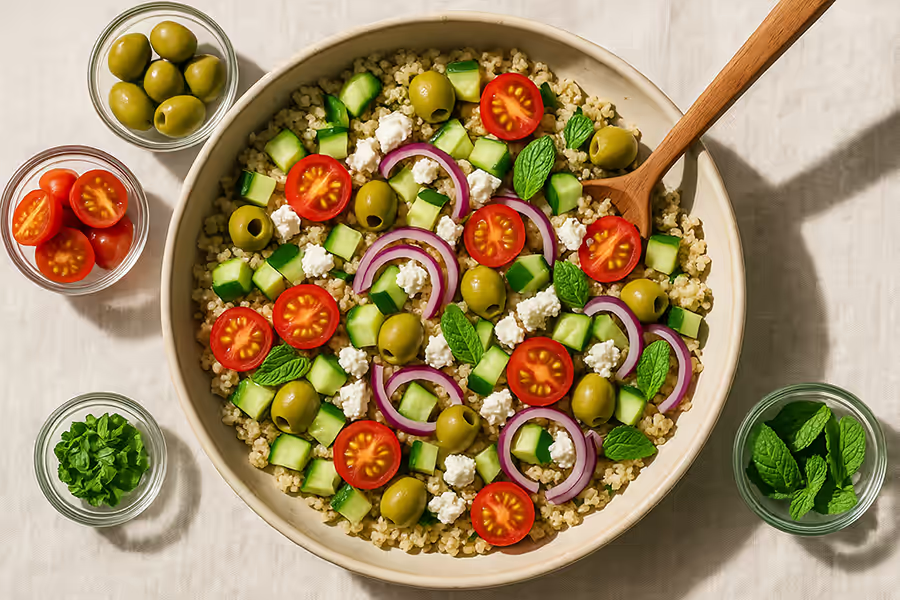
1. Vitamin salad with quinoa and fresh vegetables
Ingredients:
- 200 g cooked quinoa (cooking takes about 1 glass in 2 glasses of water for 10-15 minutes)
- 1 small onion (finely chopped)
- 1 tsp dried basil
- 150 g salad leaves (lettuce or mixed salad)
- 200 g cherry tomatoes (halved)
- 2 radishes (thinly sliced)
- 3 tbsp olive oil
- 2 tbsp lemon juice
- Salt, pepper to taste
Preparation:
- Boil the quinoa according to the basic recipe, cool it
- In a large salad bowl, mix the lettuce, cherry tomatoes, radish, onion
- Add cooled quinoa
- To prepare the dressing, mix olive oil, lemon juice, dried basil, salt, and pepper.
- Toss the salad with the dressing, making sure to mix it thoroughly.
- Let it sit for about 15-20 minutes in the refrigerator.
2. Mediterranean salad with quinoa, feta, and green beans.
For 4 servings:
- 300-350 g cooked quinoa.
- 150 g zucchini or young squash (cut into 1 cm cubes).
- 150 g frozen green beans (thawed).
- 150 g feta cheese or brinza (cubed).
- 1 shallot (finely chopped).
- 5-6 leaves of fresh mint (torn by hand).
- 4 tbsp olive oil.
- Juice of half a lemon.
- Salt, fresh ground pepper.
Preparation:
- In a bowl, combine the zucchini cubes, and sauté them in olive oil for about 3-4 minutes until slightly soft.
- Add the shallot, sautéing for another 1-2 minutes.
- Add the thawed green beans and sauté for 2 minutes.
- In a large salad bowl, combine the cooked quinoa, diced vegetables, and cubes of feta.
- Garnish with mint leaves, drizzle with lemon juice and additional olive oil.
- Carefully mix, season with salt and pepper to taste.
- Serve warm or chilled.
3. Quinoa salad with avocado and tomatoes.
Ingredients:
- 250 g cooked quinoa.
- 1 ripe avocado (cubed or sliced).
- 150 g cherry tomatoes (halved).
- 100 g canned corn (drained).
- 50 g green olives (sliced).
- 50 g black olives (sliced).
- Fresh basil leaves.
- 3 tbsp olive oil or flaxseed oil.
- Juice of half a lime.
- Salt, pepper to taste.
Preparation:
- In a salad bowl, gently combine the cooked quinoa, diced avocado, halved cherry tomatoes, corn, and olives.
- Add sliced olives and seasonings.
- To prepare a dressing, mix oil with lime juice, salt, and pepper.
- Toss the salad with the dressing, ensuring an even combination.
- Garnish with fresh basil leaves.
- Serve with a slice (avocado quickly browns).
4. Quinoa salad with shrimp and cheese.
For 4 servings:
- 300-350 g cooked shrimp.
- 150 g zucchini (cubed).
- 200 g large shrimp (peeled).
- 100 g dried fish (sliced).
- 50 g mixed salad leaves.
- 5-6 cloves of fresh garlic
- 3 tablespoons of olive oil
- 2 teaspoons of soy sauce
- ½ teaspoon of honey
- Juice of half a lemon
- Salt, pepper
Preparation:
- Cut the zucchini into cubes, sauté in olive oil for 3-4 minutes
- Add the shrimp, season with pepper, and sauté on high heat for 2 minutes on each side until pink.
- Chop the garlic finely and sauté on a dry skillet for 2-3 minutes, stirring so it doesn’t burn.
- For the dressing, mix soy sauce, honey, lemon juice, and 1 tablespoon of olive oil.
- In the salad, layer: salad leaves, chilled quinoa, and chopped zucchini.
- On top, layer the shrimp, garnish with nuts and mint leaves.
- Drizzle with the dressing before serving.
Hot dishes with quinoa
5. Quinoa pilaf with quinoa and chicken
Ingredients:
- 1 glass (200 g) of quinoa (white)
- 2 glasses of water or chicken broth
- 300-400 g of chicken fillet without skin (or breast)
- 1 large onion (cubed)
- 2 medium carrots, grated
- 4-5 cloves of garlic (whole, finely chopped)
- 1 teaspoon of hops-suneli
- ½ teaspoon of paprika
- ½ teaspoon of turmeric
- 3 tablespoons of vegetable oil (preferably coconut or avocado)
- Salt, black pepper to taste
Preparation:
- Rinse the quinoa well and cook in salted water for about 15-20 minutes until tender.
- Meanwhile, chop the chicken into cubes, carrot into small cubes, and onion into big pieces.
- In a deep skillet or pot, heat the oil and sauté the chicken pieces for about 5-7 minutes until golden.
- Add onion and carrot, cook for another 5-7 minutes until soft, stirring occasionally.
- Add the quinoa, pour in the water, increase the heat, cover, and cook for about 15 minutes on low heat.
- Add the carrot, cook for another 4-5 minutes.
- Season with salt, add the previously chopped garlic, hops-suneli, paprika, turmeric, and black pepper.
- Stir, sauté for 2 minutes to unlock the aroma of spices.
- Pour in hot water or broth – the liquid should cover all the ingredients by about 1.5-2 cm higher.
- Bring it to a boil over high heat.
- Reduce the heat to minimum, cover with a lid.
- Important: do not overcook while stewing! Prepare for 15-25 minutes, until all the meat is cooked through, but the quinoa does not become mushy.
- Remove from heat, allow to steep under the lid for 10 minutes.
- Carefully stir before serving.
Advice: For a more flavorful dish, use this mixture of chicken thighs and breast. Add fresh herbs like basil or parsley. Serve with natural yogurt or sour cream.
6. Quinoa with chicken, carrots, and vegetables
Ingredients:
- 200 g quinoa
- 2 chicken breasts (about 400 g)
- 2 carrots
- 2 garlic cloves
- ½ tsp cumin
- ½ tsp paprika
- 200 ml water or broth
- 2 tbsp vegetable oil
- Salt, pepper
Preparation:
- Rinse the quinoa with water using the basic recipe, set aside.
- Cut the chicken into medium cubes, the carrot into thin circles or julienne strips.
- In the oil, sauté the garlic for 1 minute, remove.
- In this pan, quickly fry the carrot with salt, adding spices, salt, and pepper.
- Reduce heat to medium, add quinoa, stew under the lid for 15 minutes.
- Add water, reduce heat, stew under the lid for 15 minutes.
- Add the prepared quinoa, stir well.
- Stew for another 2 minutes.
- Allow to steep under the lid for 10 minutes before serving.
7. Universal garnish with quinoa and vegetables
Ingredients:
- 200 g quinoa (boiled with the basic recipe)
- 300 g frozen mixed vegetables (broccoli, cauliflower, carrot, peas)
- 2 tbsp olive oil or sunflower oil
- Salt, pepper, favorite herbs (rosemary, thyme)
Preparation:
- Thaw the mixed vegetables in salted water for 10-15 minutes, drain water.
- In a large skillet, heat the oil or sauté in olive oil.
- Add the prepared quinoa and thawed vegetables.
- Add herbs, salt, pepper.
- Sauté on medium heat for 5-7 minutes, stirring occasionally.
- Serve hot as a garnish with meat or fish.
Prepare patties and pancakes with quinoa.
8. Vegan quinoa patties
Ingredients:
- 180 g quinoa (dried, boil in 500 ml vegetable broth)
- 1 egg yolk (or egg alternative for the vegan version)
- 60 g hard cheese (like feta)
- 2 tbsp breadcrumbs
- 3 tbsp vegetable oil for frying
- ½ tsp salt
- ¼ tsp black ground pepper
- ½ tsp garlic powder (optional)
Preparation:
- Boil the quinoa in vegetable broth following the basic recipe and let it cool.
- In a large bowl, mix the cooled quinoa, yolk, grated cheese, breadcrumbs, and spices.
- Carefully knead the mixture by hand until homogeneous.
- If the mixture is too wet, add more breadcrumbs; if too dry—add 1-2 tbsp of water.
- Shape the patties with wet hands to the desired size.
- Heat oil in a skillet over medium heat.
- Fry the patties for 3-4 minutes on each side until golden brown.
- Serve hot with a sauce based on yogurt or tahini.
Egg substitute (for the vegan version): mix 1 tbsp of ground flaxseed with 3 tbsp of water, let it sit for 5 minutes until it forms a gel-like consistency.
9. Quinoa and beet patties
Ingredients:
- 70 g quinoa (boiled)
- 70 g boiled beetroot (grated or finely chopped)
- 2 eggs
- 1 tbsp flour (can be all-purpose or nut-based)
- ½ tsp salt
- ¼ tsp black pepper
- 2 tbsp oil for frying
Preparation:
- Boil the quinoa, let it cool.
- Prepare the beet until tender, then cool, grate or finely chop it.
- In the bowl, combine quinoa, beets, eggs, flour, salt, and pepper.
- Mix in the eggs, beet, flour, salt, pepper, and shape into patties.
- Carefully mix to the desired consistency.
- Heat oil in the skillet.
- Lay the patties in small portions with a spoon, forming patties.
- Fry on medium heat for 3 minutes on each side.
- Serve with sour cream or avocado.
Sneidan slices with quinoa.
10. Creamy pudding with quinoa (suitable for dessert)
For 4 servings:
- 1 cup cooked quinoa (preferably)
- 4 cups milk (cow’s, coconut, almond, or soy)
- ¼ cup of clove syrup or honey
- ½ tsp of vanilla extract
- ½ tsp of ground cinnamon
- ⅓ tsp of salt
- Fresh berries (blackberries, raspberries, blueberries) for serving
- Nuts (almonds, chopped walnuts, crushed hazelnuts)
Preparation:
- Soak the quinoa under cold water for 15 seconds, then drain
- In a medium saucepan combine quinoa and milk
- Bring to a boil over medium heat, stirring constantly
- Reduce heat to minimum, cover with a lid
- Cook for 18-20 minutes, stirring every 3-4 minutes to prevent scorching
- When the quinoa is almost done, and the milk has thickened, add clove syrup, vanilla, cinnamon and salt
- Stir, remove from heat
- Cover with a lid, let infuse for 5-10 minutes — the porridge will thicken
- Serve in bowls, sprinkle with fresh berries and nuts
- Serve warm
Variations:
- Add dried fruits and cardamom for extra flavor
- Mix with cocoa powder for a chocolate version
- Add banana and peanut butter
- Use coconut cream and mango
For the cold version: prepare the porridge in the evening, chill in the refrigerator. In the morning add a few tablespoons of fresh milk, stir — it will become a cold pudding, similar to rice.
11. Quick pudding made from coconut cream quinoa
For 1 serving (cooked in 5 minutes!)
- ½ cup of quinoa
- 1 cup of water or milk
- a pinch of salt
- 2 tbsp of Greek yogurt
- ½ cup of fresh or frozen berries
- 1 tbsp of honey or chia
- 1 tsp of clove syrup
Preparation:
- In a bowl for microwave combine quinoa, water (or milk) and salt
- Place in the microwave for 1 minute at maximum power
- Stir, if necessary add more liquid
- Continue for another 30 seconds to desired consistency
- Top with yogurt, berries, nuts
- Drizzle with clove syrup
On the plate: boil quinoa with water/milk for 2-3 minutes on medium heat, continuously stirring.
Soup with quinoa
12. Hearty vegetable soup with quinoa
For 6-8 servings:
- 100 g of quinoa (dry)
- 2-3 medium potatoes (cubed 1.5 cm)
- 1 large carrot (cubed)
- 1-2 stalks of celery (chopped)
- 1 large onion (finely chopped)
- 1-2 cloves of garlic (finely chopped)
- 300 g of tomatoes in their own juice (can be substituted with tomato paste 2 tbsp)
- 1.5-1.7 liters of vegetable broth or water
- 2 tbsp of dried parsley
- 1 tsp of dried basil
- ¼ tsp of dried thyme
- 1 bay leaf
- 2-3 tbsp of olive oil
- Salt, pepper to taste
- Fresh greens for serving
Preparation:
- In a large saucepan, heat the olive oil over medium heat
- Sauté the chopped onion for 4-5 minutes until soft and translucent
- Add the carrot, garlic, celery – sauté for another 4-5 minutes, stirring
- Add the tomatoes (or tomato paste), stir well
- Add the dried parsley, basil, thyme, bay leaf
- Pour in the vegetable broth or water, bring to a boil
- Reduce the heat, simmer for 10 minutes under a lid
- Add the cubed potatoes and quinoa, stir well
- Cover with a lid, simmer 25-30 minutes until the potatoes and quinoa are cooked
- Remove the bay leaf, season with salt and pepper to taste
- Let it steep for 10 minutes
- Serve hot, garnished with fresh greens
Variations: add spinach or kale for 5 minutes until ready for additional vitamins. For a white version add canned sauerkraut or nuts.
13. Soup with lentils (or chicken) and quinoa
For 6 servings:
- ½ glass of quinoa
- 500 g of lentils or chicken (cubed)
- 2 carrots (sliced)
- 1-2 stalks of celery (chopped)
- 200 g of fresh spinach
- 1 onion (cubed)
- 2 cloves of garlic (minced)
- 1.5 liters of vegetable broth
- Juice of half a lemon
- Salt, pepper, dried thyme
Preparation:
- In a large saucepan, heat the oil, sauté the onion, and garlic for 3 minutes
- Add the cubed meat, sauté until browned
- Add the spinach and celery, sauté for 5 minutes
- Pour in the broth, simmer until cooked
- Add the quinoa, thyme, salt, pepper to taste
- Simmer 20 minutes on medium heat
- Add the shrimp, cook for another 3-5 minutes until cooked through
- Remove and add lemon juice
- Serve hot
Chicken with quinoa
14. Chicken casserole with quinoa and cheese (dessert)
Ingredients:
- 120 g of boiled quinoa (cooked)
- 200 g of cream cheese (or ricotta)
- 2 eggs
- 50 g of sugar
- 5 g of vanilla sugar
- 100 g of chicken (finely shredded)
- 2 tbsp of corn or starch
- Topping oil for the mold
Preparation:
- Cook the quinoa, fully cool
- Chicken shredded finely
- Cheese grated with a grater for consistency
- Add eggs, vanilla sugar, combine
- Mix in the shredded chicken, cooled quinoa, starch
- Gently fold
- Form (20×20 cm) grease with oil
- Pour the mixture, spread evenly
- Bake at 180°C for about 35-40 minutes until golden brown
- Cool, slice into squares
15. Bean casserole with quinoa, turkey, and broccoli
Ingredients:
- 1 cup of quinoa (cooked)
- 1 head of broccoli (broken into florets, finely shredded)
- 2 chicken breasts (roasted, sliced into cubes)
- ⅓ cup of shredded cheese (cheddar or mozzarella)
- 2 eggs
- ½ cup of milk or cream
- 2 tbsp of olive oil
- Salt, pepper, garlic powder
Preparation:
- Cook the grains, cool
- Roast broccoli 3-4 minutes in boiling water, drain
- Roast turkey, shred into cubes
- In a bowl, combine eggs with milk, add spices
- Mix quinoa, broccoli, turkey
- Pour the mixture into a baking dish, add cheese, mix
- Pour into the prepared form
- Sprinkle with shredded cheese on top
- Bake at 180°C for 30-35 minutes until golden brown
Desserts with quinoa
16. Chocolate pudding with quinoa
For 4 servings:
- 1 cup of boiled white quinoa (cooled in the refrigerator)
- ⅓ cup of unsweetened cocoa powder
- 4 large figs medjool (pitted, diced 10 mins in water)
- 1¼ cups of canned coconut milk
- 1 tsp of vanilla extract
- 2 tbsp of flavored syrup (to taste, for more sweetness)
For serving:
- Coconut yogurt
- Fresh berries
- Dark chocolate
- Mint
Preparation:
- Pour the quinoa with warm water, let it sit for 10 minutes for expansion, then drain the water.
- In a powerful blender, combine chilled cooked quinoa, cocoa powder, soaked nuts, coconut milk, and vanilla.
- Blend at high speed for 1-2 minutes to achieve absolute smoothness, creamy consistency.
- Try — if it’s not sweet enough, add maple syrup and blend for another 10-15 seconds.
- If the pudding is too thick, add a splash of coconut milk and blend again.
- Pour into dessert cups or glasses.
- Chill in the refrigerator for at least 1 hour (or up to 3 days).
- Before serving, garnish with coconut yogurt, fresh berries, chocolate shavings, and mint leaves.
Tip: for the best texture, use the chilled quinoa, which was refrigerated — cold quinoa blends better into a smooth consistency.
17. Vanilla pudding with quinoa and cherries.
Ingredients:
- 1 cup cooked quinoa (including rinsing)
- 3 cups coconut milk
- 3 tbsp maple syrup
- 1 tsp vanilla extract
- ½ tsp ground cinnamon
- Pinch of salt
- 2 tbsp mascarpone
- Fresh cherries for serving.
Preparation:
- Combine the grains, adding to a pot with a larger portion of milk.
- Bring to a boil, reduce heat, simmer for 10 minutes, often stirring.
- Add vanilla, maple syrup, cinnamon, salt and whisk the milk.
- Continue to cook for 5-6 minutes until thickened.
- If needed, adjust the sweetness, adding in smaller portions of milk.
- Remove from heat, stir in mascarpone to combine.
- Serve warm or chilled before serving.
- Garnish with fresh cherries.
Tips on using and pairing quinoa.
With what does quinoa pair best?
Quinoa — an incredibly versatile product that harmoniously complements a number of ingredients.
Vegetables: peppers, tomatoes of different varieties, avocado, corn, cucumbers, sweet pepper (Bulgarian), spinach, kale, broccoli, cauliflower, eggplants, watermelons, sweet potatoes
Meats and fish: meat (chicken, turkey, yellowish, pork), fish (salmon, tuna, dorado), seafood (shrimp, calamari, mussels), eggs, cheeses (feta, mozzarella, parmesan), tofu
Beans and legumes: nuts, chickpeas (black, red, white), lentils, green peas
Fruits and berries (especially for smoothies): blackberries, raspberries, plums, bananas, apples, pears, dried fruits (apricots, prunes, figs)
Nuts and seeds: almonds, cashews, Greek walnuts, cedar nuts, sunflower seeds, pumpkin seeds, chia, linseed
Greens and herbs: parsley, cilantro, basil, mint, rosemary, thyme, chives
Dressings: olive oil, avocado oil, balsamic vinegar, lemon/lime juice, soy sauce, tahini
Ways to use quinoa in cooking
- Quinoa as a substitute for rice, buckwheat, or bulgur — simply cook the quinoa and serve it with meat or fish
- The basis for salads — cold quinoa is an ideal option for vegetable salads
- Soup components — add grains instead of regular cereals or pasta
- Start for vegetables — use quinoa for stuffing peppers, tomatoes, zucchini
- The basis for cutlets and burgers — vegan and vegetarian cutlets made from quinoa have a wonderful texture
- The basis for porridge and side dishes for smoothies — alternative whole grain cooking
- Additions to baking — add grain flour to bread, muffins, pancakes to increase their nutritional value
- Deserts — chocolate puddings, snacks, energy balls
Contraindications and limitations
Non-viable exclusionary properties do not generally apply to all and may have specific limitations.
Whom to restrict or exclude:
1. Children aged 2-3 years
The non-reliable grassy systems of small children cannot effectively deal with allergens that are found in green bean pods, even post-consumption. Many pediatricians recommend introducing beans into children’s diet no earlier than 2-year-olds. Some beans are allowed to be introduced between 6-9 months as a prerequisite but preferably after regular consumption and exemptions.
2. Preserved fish
High content of fish meat in beans can create additional strain on fish during their preservation. People with chronic fish intolerances or other serious pathologies of fish should consult with a doctor before regular consumption of beans.
3. Diarrhea
In the case of diarrhea, it’s important to maintain a diet low in fish content, as bean varieties can be restricted.
4. Preserved yellow mackerel
Beans can have yellow properties that can lead to an increase in the purchase of yellowish varieties when stone presence is evident.
5. Stones in fish (especially oxalates)
Beans can contain oxalates that reduce calcium absorption and may lead to problems in people with recurring stones in fish.
6. Individual hypersensitivity and allergies
Allergy to beans is rare but possible. Symptoms may include rash in animals, skin rashes, hives, nausea. Other grains may relate to relatives’ allergies, possible cross-reaction in individuals with bean allergies.
7. Grains
Some varieties do not recommend the consumption of beans in grains that are not cooked due to the possibility of transmitting allergens through breast milk.
Possible adverse effects during excessive consumption:
- Weight in relation to the disturbance
- Animal cruelty
- Metabolism
- Problems with the digestive tract
- Diarrhea or constipation
Important: when first acquainted with quinoa, start with small portions (50-70 g of cooked product) to transition, so that your organism adapts well to it. The recommended safe portion is no more than 100 g of cooked quinoa at one meal.
Quinoa and its importance
For pregnant women, quinoa can be very beneficial. The high concentration of folic acid (19% of the daily norm per 100 g) makes it a valuable product for the proper development of the fetus, especially in the first trimester. Additionally, it helps alleviate the symptoms of nausea, which often occur during pregnancy. Quinoa reduces the risk of premature births and supports a healthy nervous system.
However, quinoa is not suitable for everyone:
- It is recommended to remove quinoa before serving soups
- Start with small portions
- Consult with a doctor in the presence of any chronic conditions
Storage: how to keep all useful properties
Storage of dry quinoa
Optimal conditions:
- Dry, dark, well-ventilated storage area
- Temperature: 15-20°C
- Humidity: no more than 60%
- Important: the place should not be contaminated with harmful bacteria
Packaging:
- Airtight glass or plastic containers
- Vacuum packs
- Containers for short-term storage
Duration of storage: from 6 to 24 months, depending on storage conditions and packaging. Dry quinoa does not spoil easily – over time it may become slightly stale, but it remains safe for consumption.
Signs of spoilage:
- Unpleasant odor from the grain
- Visible signs of mold
- Presence of insects
Storage of boiled quinoa
In the refrigerator:
- Store in the fridge after cooking
- Keep in an airtight container
- Duration of storage: 4-5 days
- Before consumption, check for any foreign preserves.
Preservation:
- Store the prepared quinoa in a container
- Distribute portions into containers or packs for preservation
- Maximize moisture removal from the packages
- Duration of storage: 2-3 months
Cooking and Heating:
- To cook in the refrigerator overnight
- To heat in the microwave oven or on the stove
- Add 1-2 tablespoons of water or broth for moisture retention
- The texture may become a bit mushy after thawing — such quinoa is better suited for soups, salads, wrinkles, less for salads
Frequently Asked Questions (FAQ)
1. Is it necessary to rinse quinoa before cooking?
Yes, it is generally recommended to rinse quinoa under cold running water for 1-2 minutes. This removes saponins — natural coatings on the seeds that give a bitter taste and may produce a grassy flavor. Some manufacturers may pre-process the grains, removing saponins in production — this is usually indicated on the packaging (e.g., ‘pre-washed’, ‘previously processed’).
2. How much quinoa can be eaten in a day?
The recommended safe portion is no more than 100 g of cooked dish per one serving per day. For healthy individuals, 150-200 g of cooked quinoa per day would be an optimal amount, ensuring adequate nutrition without surpassing organic requirements.
3. Can quinoa be used for weight loss?
Yes, quinoa can support the weight loss process through several factors:
- Low glycemic index (50-54) stabilizes blood sugar levels, preventing hunger attacks
- High protein content (8 g per serving) and fiber (5 g) creates a lasting feeling of satiety
- Magnesium helps manage stress and emotional transitions
- Nutrition density means you get many beneficial nutrients at a moderate caloric intake
However, it is important to note that quinoa is a fairly caloric food (120-222 kcal per 100 g cooked), so it shouldn’t be overdone.
4. What age is safe to give quinoa to children?
Most pediatricians recommend introducing quinoa to children no earlier than 2-3 years. The unrefined grain system for small children cannot effectively process grains. Some modern cereals allow for the introduction from 6-9 months as a guideline, but only under conditions of very strict supervision and monitoring. In any case, before introducing quinoa to the child’s diet, it is advisable to consult with a pediatrician.
5. Can quinoa be consumed during pregnancy and lactation?
Pregnant – yes, quinoa is very beneficial. Folic acid is important for the proper development of the fetus, helps prevent anemia, and magnesium supports a healthy nervous system while reducing the risk of premature labor.
Lactating – with caution. Some experts do not recommend quinoa due to the possibility of transmitting allergens through breast milk, which may cause reactions in the baby. If you still want to try grains while breastfeeding, start with a very small portion, monitor for any reaction in the infant.
6. Which quinoa is the healthiest – white, red, or black?
All three types are extraordinarily beneficial and have similar nutritional value. The differences are minimal:
- Black has the most antioxidants (anthocyanins), but the least availability.
- Red is rich in betaine (antioxidants), more fibrous and nutritious.
- White is the lightest, has the lowest GI (50).
For maximum benefit, you can alternate different types or use tri-color quinoa.
7. Can you eat quinoa with diabetes?
Yes, quinoa is one of the best foods for people with diabetes. Its low glycemic index (50-54) and high fiber content ensure stable and steady release of sugars into the blood. Studies have shown that regular consumption of quinoa can improve the level of glycosylated hemoglobin (HbA1c) in people with prediabetes and type 2 diabetes.
8. Can quinoa contain gluten?
No, quinoa is a naturally gluten-free grain. This makes it safe for individuals with celiac disease (non-celiac gluten sensitivity) or gluten intolerance. Quinoa is a wonderful alternative to wheat, barley, and rye in gluten-free diets.
9. Why does my quinoa come out like mush, instead of fluffy?
The most common reasons:
- Too much water: stick to a ratio of 1:2 (grain:water)
- Improper cooking time: do not overcook; once it boils, create a pot of,
- Strong gas: after cooking, reduce heat to minimum.
- Don’t let it sit: after cooking, let it sit covered for 5-10 minutes, then fluff gently.
10. How long can cooked quinoa be stored?
- In the refrigerator: 4-5 days in an airtight container
- In the freezer: 2-3 months
Always check for odors and external appearance before consuming.
11. Can quinoa be sprouted?
Yes, quinoa can be sprouted, and its sprouted seeds become even more nutritious. The process:
- Rinse
- Soaking for 2-4 hours
- Rinse water, drain
- Leave it in a jar, covered with breathable fabric
- Rinse 2-3 times a day
- Sprouts appear within 1-2 days
Sprouted quinoa can be added to salads, smoothies, soups, or consumed on its own as a nutritious snack.
12. Can quinoa replace meat?
Quinoa cannot completely replace meat, but it is one of the best plant sources of protein. It contains all nine essential amino acids, making it a complete protein — a rarity among plant foods. For vegetarians and vegans, quinoa is a valuable protein source, especially when combined with beans, nuts, and seeds.
13. Can quinoa be eaten daily?
Yes, healthy individuals can consume quinoa daily as part of a balanced diet. However, variety is important — alternate it with other grains (like barley, brown rice, wheat, bulgur) for a full spectrum of nutrients.
14. What should not be combined with quinoa?
There are products that cannot be combined categorically. However, some combinations may be difficult for digestion:
- Quinoa + a large amount of meat or beans per serving — an excellent protein source
- Seeds + dairy products in large quantities — for people with lactose intolerance
Conclusion:
Quinoa deserves the title of a superfood of the 21st century. This ancient culture contains a unique nutritional value, universality in culinary uses, and proven health benefits from scientific research. A complete plant-based food with all essential amino acids, a low glycemic index, absence of gluten, abundance of vitamins and minerals — all this makes quinoa an ideal product for people of different ages and with various dietary needs.
Regardless of whether you are trying to lose weight, control diabetes, follow a vegetarian diet, maintain a sports form or simply try to eat healthy — quinoa will become a valuable addition to your diet. From light refreshing salads to hearty spicy dishes, from nourishing snacks to exquisite desserts — the possibilities of using quinoa are endless.
Start experimenting with this universal product, follow the recommendations for its preparation and storage, and take into account the indicated serving size — and the grains will not only provide you with delicious dishes but also a tangible benefit for health. Enjoy your meal and stay healthy!