Introduction
Content
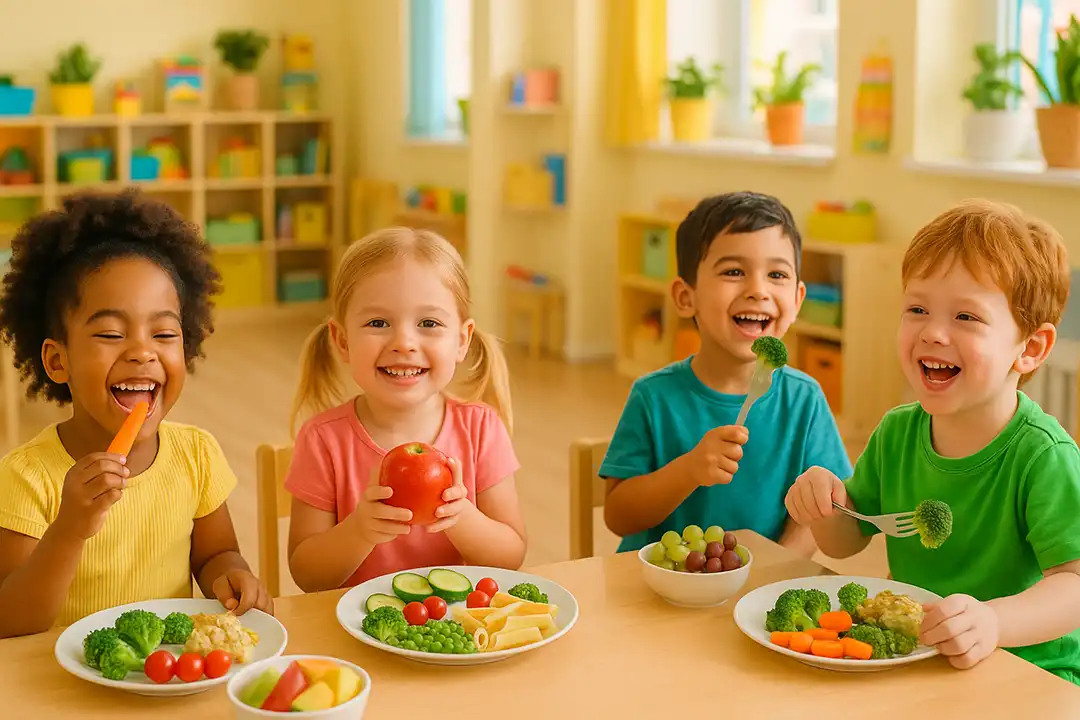
Healthy nutrition in preschool age is fundamental for their physical, psychological, and social development. Balanced nutrition plays a key role in the formation of immunity, providing energy for active growth, brain development, and the formation of healthy eating habits throughout life. This issue of healthy nutrition organization for preschoolers is particularly relevant for parents, educators, and everyone involved in children’s welfare.
Basic principles of healthy nutrition for preschoolers
1. Balance of essential nutrients
- Proteins — essential for growth and development of the body’s cells.
- Fats — a source of energy, vital for brain and nervous system development.
- Carbohydrates — the main source of energy for active functioning.
- Vitamins and minerals — ensure the proper functioning of all organs and systems.
2. Diversity of nutrition
Balanced nutrition for children should include various groups of products: vegetables, fruits, dairy products, meat, fish, eggs, grains, legumes, nuts, and vegetable oils.
3. Eating regimen
- Regularity: 4–5 meals a day with evenly spaced intervals.
- Snack — a mandatory meal for the active start of the day.
- Fruit — a light snack between main meals.
Nutritional requirements for preschool children
At ages 3–6, the child’s body continues to grow actively, the immune system is forming, and the brain is developing. During this period, there is an increased need for proteins, fats, carbohydrates, vitamins from groups B, D, C, as well as for trace elements. A deficiency or unbalanced diet can lead to delays in physical and mental development, a weakened immune system, and the emergence of chronic conditions in the future.
Main groups of products in the preschool diet
| Group of Products | Examples | Importance for the organism |
|---|---|---|
| Vegetables and fruits | Apple, carrot, cabbage | Provides vitamins, fibers |
| Dairy products | Milk, yogurt, cheese | Calcium, proteins, vitamin D |
| Meat, fish, eggs | Chicken, turkey, eggs | Proteins, iron, essential amino acids |
| Cereals | Porridge, bread, pasta | Carbohydrates, fibers, vitamin B group |
| Vegetable oils | Olive, sunflower | Healthy fats, energy |
Unique features of its preparation for children
- Thermal processing: preference should be given to boiled, steamed, or baked dishes, prepared with minimal spices.
- Minimum salt and sugar: excessive consumption can negatively impact health.
- Presence of guests, spoiled, or repeated dishes.
- Freshness of ingredients: use only high-quality and fresh ingredients.
Food allergies and individual characteristics
Some children may have food allergies or hypersensitivity to certain products (such as dairy, gluten, eggs, nuts). It is important to carefully monitor the child’s body’s reaction to new products and gradually introduce them into the diet, consulting a doctor if there is a suspicion of allergies.
Formation of eating habits
How to instill a love for healthy eating:
- Promote new dishes in playful form.
- Involve children in meal preparation.
- Be an example for children—adults themselves should eat healthily.
- Do not force feed with strong flavors, but encourage tasting.
- Use colorful tableware, interestingly arranged dishes.
The role of water in nutrition
Water is a fundamental component of a child’s body. It is important to ensure adequate intake of clean water (without gas and additives). Juices, compotes, and tea do not replace water.
Typical dietary pitfalls in childhood
- Excessive consumption of sweets, carbonated drinks, fast food.
- Insufficient amount of vegetables and fruits in the diet.
- Monotony in meals.
- Violations of meal schedules.
- Serving adult dishes with excess salt, spices, or fat.
Sample Menu for the Day for the Preschooler
| Breakfast | Dinner |
|---|---|
| Oatmeal | Mixed vegetable soup, boiled meat, mashed potatoes, salad |
| Second Breakfast | Yogurt, apple |
| Lunch | Vegetable soup, boiled meat, mashed potatoes, salad |
| Afternoon Snack | Cottage cheese, compote |
| Dinner | Buckwheat with stewed vegetables, kefir |
Tips for Parents
- Plan a menu for the week, taking into account seasonal products.
- Make a list of necessary items and snacks.
- Involve your child, discuss the importance of products.
- Do not use the same pasta or yarns.
- Encourage your child’s appetite, but do not force feed.
Conclusions
Healthy nutrition for preschool children is not only about the selection of nutritious products, but also involves the mode of meals, diversity, cultural acceptance, and the creation of a positive attitude towards it. Responsibility for this lies primarily with adults, who must create a nurturing environment for children to develop Healthy nutrition habits. A balanced diet, regular meals, and attention to individual needs help children grow healthy, energetic, and happy.