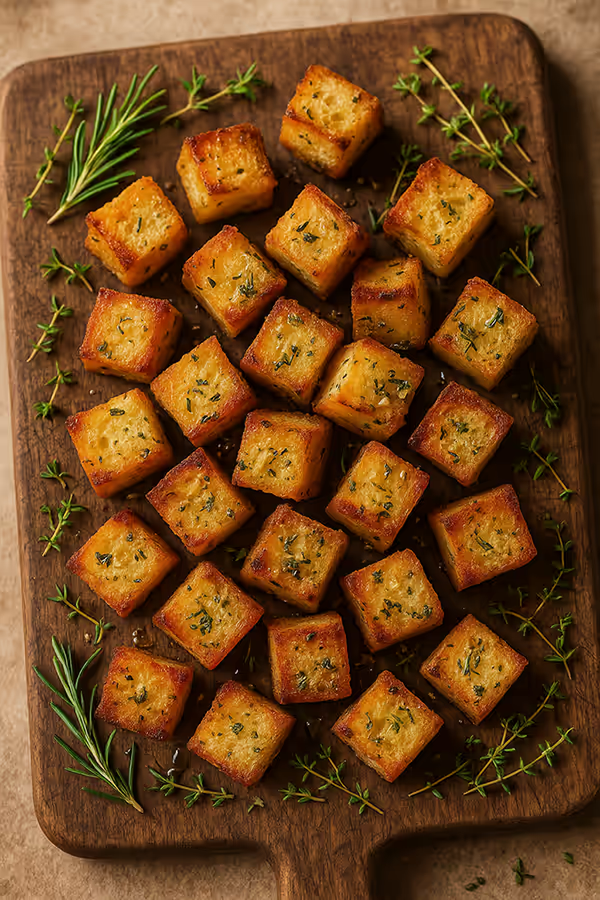
Homemade croutons are one of the easiest ways to “revive” stale bread and turn it into the perfect crunchy addition to salads, soups, and appetizers. Properly prepared croutons are nothing like store-bought crackers: they are fragrant, balanced in taste, without unnecessary flavor enhancers and excess oil.
This guide will explain what croutons are, which bread to choose, provide a basic step-by-step recipe, many variations (garlic, cheese, spicy, sweet), serving ideas, useful tips, common mistakes, and an extensive FAQ.
Content
What are croutons and how do they differ from regular crackers?
Croutons (from the French croûton, meaning crust or edge) are small cubes or slices of bread dried in the oven, in a frying pan, or in an air fryer with the addition of oil, spices, garlic, and/or cheese. Their main purpose is to add flavor to a dish:
- crunchy texture;
- additional aroma;
- satiety and light “weight” (especially in light salads and pureed soups).
Unlike dry store-bought croutons, homemade croutons:
- are prepared from fresh or yesterday’s bread products;
- seasoned with high-quality olive or butter oil;
- contain natural spices and herbs;
- do not contain aggressive flavorings or flavor enhancers.
These croutons are considered a classic essential addition to Caesar salad and many cream soups.
Which bread is best suited
Choosing the right bread is half the battle. It determines the texture, taste, and even the nutritional value of the dish.
Basic bread options
1. White wheat bread / loaf / baguette
- Gives you the classic “French” version of croutons.
- Soft inside, crispy outside.
- Perfect for Caesar salad and most soups.
2. Rye or wheat-rye bread
- Denser crumb, rich flavor.
- It is more filling and has a lower glycemic index than white bread.
- Suitable for rich soups, borscht, pork and beef dishes.
3. Whole grain, with bran, with seeds
- Rich in fiber, vitamins B and E, and minerals.
- Provides a healthier version of croutons.
- Works well in vegetable salads, bowl meals, and cream soups made from vegetables.
4. Special gluten-free breads (buckwheat, oat, flaxseed)
- Relevant for people with gluten intolerance.
- Buckwheat bread has better antioxidant properties than white wheat bread and helps stabilize blood sugar levels.
- Gives croutons an interesting, more pronounced flavor.
Fresh or stale?
The ideal option is yesterday’s bread or slightly stale bread.
Reasons:
- less moisture — bread is easier to dry to a crispy state;
- pieces are less likely to deform when cutting;
- lower risk of getting croutons that are burnt on the outside and raw on the inside.
Bread that is too fresh:
- often “sticks together”;
- may remain moist inside even after baking.
Basic recipe for classic garlic croutons in the oven
This is a universal recipe that can be used as a base for any variations: cheese, spicy, herbal, sweet.
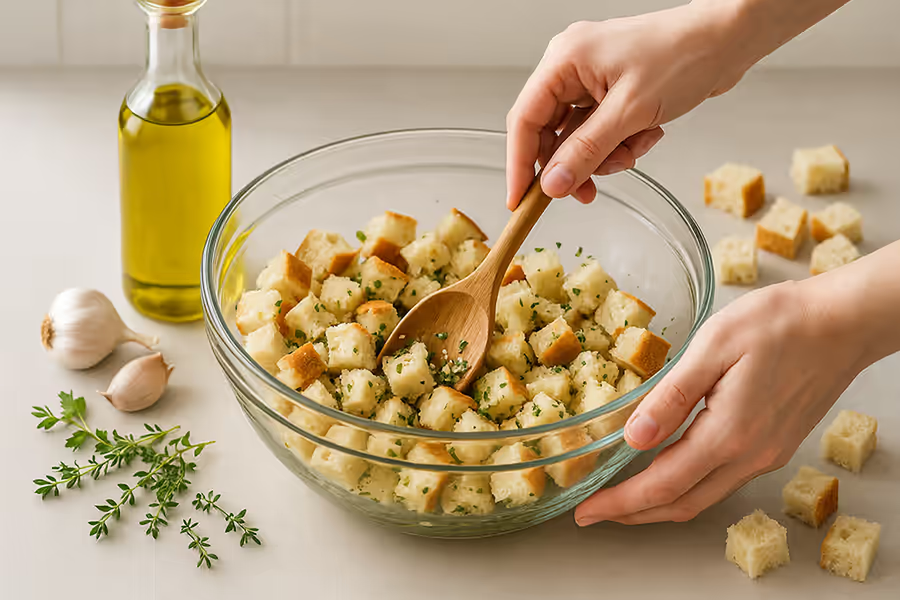
Ingredients (for 4–6 servings)
- Bread (loaf, baguette, or white bread) — 400 g
- Olive oil (or good quality refined sunflower oil) — 4–5 tablespoons
- Butter (optional) — 20–30 g (gives a richer flavor)
- Garlic — 3–4 cloves (or 1 teaspoon dried garlic)
- Salt — 0.5 tsp (adjust to taste)
- Ground black pepper — ⅓ teaspoon
- Mixture of Italian herbs (oregano, basil, thyme) — 1 tsp.
- Sweet paprika — 0.5–1 tsp (optional, for color and aroma)
Step-by-step preparation
Step 1. Preparing the bread
- Take a loaf of bread or a baguette, preferably from yesterday.
- Cut it into slices about 1.5 cm thick, then into 1–2 cm cubes.
- Try to make the cubes as uniform as possible—this way they will bake evenly.
Step 2. Aromatic oil
- In a small bowl, mix together:
- olive oil;
- melted butter (if using);
- minced or pressed garlic;
- salt, pepper;
- Italian herbs;
- pepper
- Stir until smooth.
- If desired, add finely chopped parsley or dill at the end of baking (so that they do not burn).
Step 3. Mixing
- Place the bread cubes in a deep bowl or a large, sturdy bag.
- Drizzle with aromatic oil.
- Mix thoroughly with your hands or shake the bag so that each cube is lightly coated with oil but not swimming in it.
- If there is too much oil, the croutons will be too greasy.
- If there is not enough, some of the pieces will be dry and tasteless.
Step 4. Baking
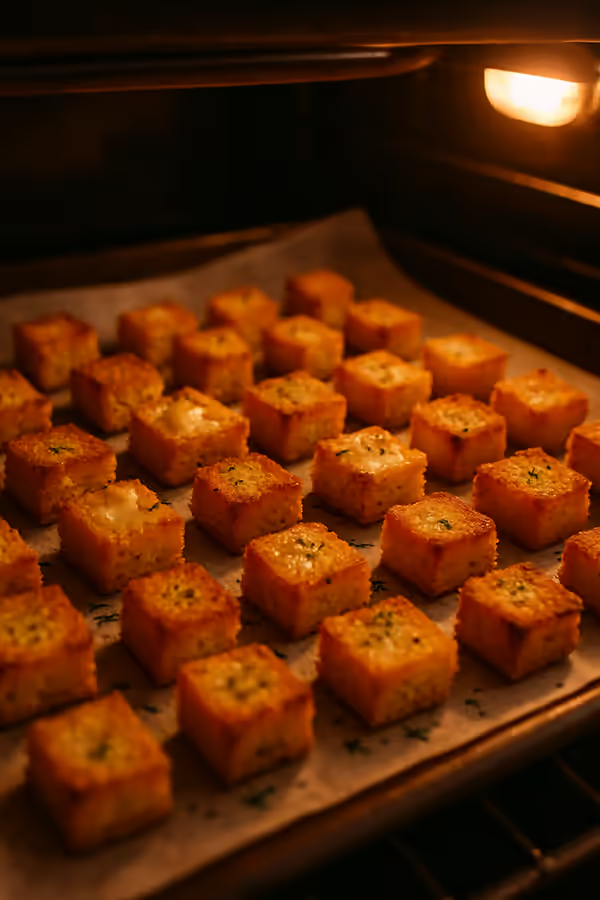
- Preheat the oven to 180–190°C.
- Line a baking sheet with parchment paper.
- Arrange the cubes in a single layer, making sure they do not touch each other.
- Bake for 10–15 minutes, stirring them periodically (every 4–5 minutes) with a spatula.
- Keep an eye on the color: ready croutons should be golden-pink or with a light brown crust, without burnt edges.
Alternative: You can dry the croutons at a lower temperature (100–150°C) for longer — 20–25 minutes — so that they dry evenly and remain light inside, rather than becoming “rock hard.”
Step 5. Cooling and storage
- Remove the baking sheet from the oven and leave the croutons on it until they cool completely.
- Do not put them in a container while they are still hot — condensation will quickly make them “shrink” and become soft.
- Once the croutons have cooled completely, transfer them to a glass jar with a lid or an airtight container.
At room temperature, in a dry, dark place, homemade croutons can be stored for up to 1–2 weeks while remaining crispy.
Alternative cooking methods: frying pan, air fryer, dry drying
1. Croutons in a frying pan
This method is suitable if you don’t have an oven or need to make a small portion.
- Heat a large skillet over medium heat.
- Add 1–2 tablespoons of olive oil and, if desired, a knob of butter.
- Spread the bread cubes in a single layer.
- Add salt, garlic (preferably dried, as fresh garlic burns easily), and herbs.
- Fry for 5–8 minutes, stirring constantly, until golden brown.
Pros:
- quickly;
- real-time process control.
Cons:
- easier to burn;
- It is more difficult to dry evenly inside.
2. Croutons in an air fryer
The ideal option if you want croutons that are as crispy as possible but less fatty.
- Mix the bread cubes with oil and spices (as in the basic recipe).
- Place in the air fryer basket in a single layer.
- Cook at 160–170°C for 7–10 minutes, shaking the basket periodically.
Advantage: thanks to the circulation of hot air, the croutons dry quickly and evenly with a minimum amount of oil.
3. Dry drying (without oil)
Suitable for those who watch their calorie intake or want croutons that are as “neutral” as possible.
- Place the sliced bread on a dry baking sheet in a single layer.
- Dry at 120–140°C for 20–30 minutes, turning periodically.
- At the end, lightly sprinkle with olive oil from a spray bottle (if desired) and sprinkle with herbs.
10 delicious variations of croutons
1. Classic garlic croutons
- Base: white bread or baguette.
- Aromas: fresh garlic, olive oil, Italian herbs, salt, pepper.
- Perfect with: Caesar salad, mushroom cream soup, tomato soup.
2. Cheese croutons with Parmesan cheese
- Add 50–70 g of finely grated Parmesan cheese to the basic marinade.
- Add some of the cheese when mixing with the bread, and sprinkle the rest on top 3–4 minutes before the end of baking.
- Parmesan forms a thin, crispy cheese crust.
- Perfect with: salads, pureed soups, as a separate snack with wine.
3. Spicy croutons with paprika and chili
- Add to oil:
- 1 teaspoon smoked or hot paprika;
- a pinch of cayenne pepper or ground chili;
- a little ground coriander.
- Perfect with: gazpacho, Mexican soups, as an appetizer with beer.
4. Herbal croutons with rosemary
- Base: olive oil + dried or fresh rosemary, thyme, oregano.
- Be careful with rosemary: it has a very strong aroma, so don’t overdo it.
- They go well with chicken soups, salads with tomatoes and mozzarella.
5. Croutons with herbs and lemon zest
- Add to the marinade:
- finely grated lemon zest;
- fresh parsley and dill (add at the end so they don’t burn).
- Light, fresh aroma and pleasant acidity.
- Perfect with: fish soups, fish salads, seafood.
6. Croutons with crab sticks (snack format)
These are not just crackers, but mini-snacks made from dried bread.
- Dry the baguette in slices.
- Each slice is topped with a spread made from processed cheese, boiled eggs, garlic, and mayonnaise.
- Top with grated crab sticks and greens.
- Bake briefly to allow the filling to set.
7. Multigrain croutons with seeds
- Use bread with seeds (sunflower, pumpkin, flax).
- Sprinkle sesame seeds or a seed mix on top before baking.
- An option for fans of healthy eating and salad bowls.
8. Sweet croutons with cinnamon
- Instead of salt, garlic, and herbs:
- 1–2 tablespoons of sugar;
- 1 teaspoon cinnamon;
- a pinch of vanilla;
- a pinch of salt for balance.
- You can use butter + a little vegetable oil.
- Perfect with: casseroles, fruit salads, ice cream, desserts.
9. Garlic and cheese croutons “to go with beer”
- More garlic (4–5 cloves), a little smoked paprika, coarse salt.
- Add cheese (Parmesan, suluguni, or hard Ukrainian cheese) at the end of baking.
- Suitable as an alternative to industrial snack crackers with beer.
10. Rye croutons for borscht and rich soups
- Base: rye or Borodino bread.
- Aromas: garlic, dill, cumin, or coriander.
- Do not dry to a “rock-hard” state; leave a slight softness inside.
How to serve croutons: ideas for use
1. For salads
- Caesar salad is a classic of its kind: crispy cubes of white baguette + Parmesan cheese + delicate sauce.
- Vegetable salads — croutons add substance, replacing some of the bread.
- Salads with chicken, tuna, mozzarella — croutons work as a textural contrast.
2. For soups
- Cream soups (mushroom, pumpkin, broccoli, tomato) — without croutons, they look and taste much poorer.
- Gazpacho is traditionally served with crispy bread croutons.
- Borscht, rassolnik, solyanka — rye or garlic croutons instead of regular bread.
3. As a separate snack
- With beer or wine, with cheese and meat platters.
- With sauces: cheese, garlic, tomato, hummus, guacamole.
4. For appetizers and canapés
- Thin slices of baguette, dried until slightly crispy, are an excellent base for spreads, pâtés, liver pâté, and fish mousses.
5. Like crispy powder
- For casseroles, vegetable gratins, lasagna — instead of breadcrumbs.
Calorie content and benefits/harm of croutons
Essentially, croutons are a concentrated bread product. 100 g of ready-made croutons can contain approximately 400–500 kcal, depending on the type of bread and the amount of oil used.
What’s good:
- Source of carbohydrates — provide energy.
- If you use whole grain bread, you will get more fiber, B vitamins, and minerals.
- Home control of ingredients: high-quality oils, minimal salt, no harmful additives.
Cons:
- A fairly high-calorie product due to the combination of bread and oil.
- Excess salt and store-bought seasonings can overload the kidneys and cardiovascular system.
- Excessive frying produces undesirable compounds from overheated fat.
Conclusion: in moderate amounts (a handful of croutons per dish), this is a perfectly acceptable addition. For a healthier version, it is worth:
- choose whole grain or rye bread;
- minimize the amount of oil;
- reduce salt intake, avoid aggressive industrial seasonings.
Common mistakes when making croutons and how to avoid them
1. Fresh, overly soft bread
Problem: mush instead of neat cubes, uneven drying.
Solution:
- Use yesterday’s bread.
- Alternatively, pre-dry sliced bread for 5–7 minutes in an oven at 100–120°C without oil.
2. Too much oil
Problem: greasy, heavy croutons, unpleasant oily aftertaste.
Solution:
- Keep the proportions: about 4–5 tablespoons of oil per 400 g of bread.
- Stir thoroughly so that the oil is distributed in a thin layer and does not settle at the bottom.
3. Very high oven temperature
Problem: burnt on the outside, damp on the inside.
Solution:
- The optimal range is 150–190°C, time 15–25 minutes, with periodic stirring.
- For a gentler result — lower temperature, longer time.
4. Too finely chopped
Problem: crackers burn quickly and turn to dust.
Solution:
- The optimal size of the cubes is 1–2 cm.
- Don’t try to make “toast for one tooth” — it’s better to cut less when they are ready.
5. No interference
Problem: one side burns, while the other remains pale and soft.
Solution:
- Stir every 4–5 minutes. This is important for even caramelization.
6. Adding fresh herbs at the beginning
Problem: greens turn black and taste bitter.
Solution:
- Use dried herbs when baking.
- Add fresh parsley, dill, or basil at the end or to the finished dish.
Professional tips for perfect croutons
- Combine oils: mixing olive oil and butter creates the perfect balance of flavor and texture.
- Don’t be afraid of acidity: a small amount of lemon zest in the marinade refreshes the taste, especially for salad croutons.
- Play with textures: for pureed soups, make crispier, completely dry croutons, and for salads, leave a slight softness in the center.
- Keep an eye on the aromas: strong spices (garlic, rosemary, cumin) can easily overwhelm delicate dishes — use them sparingly.
- Prepare a large batch at once: croutons keep well for up to two weeks, so it’s convenient to make them “in advance.”
How to store croutons correctly
To keep croutons crispy and flavorful for as long as possible:
- Cool them completely on a baking sheet after baking.
- Store in:
- glass jar with a lid;
- metal cookie jar;
- airtight container.
- Store in a dry, dark place at room temperature.
- Do not store in the refrigerator (condensation will spoil the texture).
Homemade croutons without moisture and fresh additives (such as grated cheese on top) can usually be stored for up to 10–14 days. If the recipe includes cheese, garlic, or fresh herbs, it is best to consume them within 3–5 days.
Frequently Asked Questions
1. How do croutons differ from regular crackers?
Regular crackers are often very hard, overly salty, and contain a lot of flavorings. Croutons are a more “culinary” version, usually softer on the inside, with natural spices, created primarily as an accompaniment to dishes rather than as an aggressive snack.
2. What kind of bread is best to use?
Most often:
- white bread, loaf or baguette — for classic croutons;
- rye or whole grain — for a healthier and more satisfying option. An
important condition is that the bread should not be too fresh.
3. Can it be done without oil?
Yes, you can simply dry the bread cubes in the oven at 120–140°C until crispy. However, a small amount of oil helps to evenly transfer the aroma of the spices and creates a more pleasant texture. For a “light” option, use spray oil or a minimal amount of high-quality olive oil.
4. How to make croutons for Caesar salad?
Classic croutons for Caesar salad:
- made of white baguette;
- in olive oil;
- with garlic and Italian herbs (or just garlic and salt).
Cut into small cubes and dry in the oven until golden brown.
5. How long do homemade croutons keep?
In a sealed jar at room temperature — up to 1–2 weeks. If you used cheese or fresh herbs, it is better to eat them within 3–5 days.
6. Can it be frozen?
This is usually unnecessary: croutons keep well when dry. If desired, you can freeze bread that has already been sliced but not yet dried, and then dry it in portions.
7. Why are croutons sometimes too hard?
Possible causes:
- dried for too long at a high temperature;
- They used very dense bread and dried it out.
Solution: - lower the temperature, increase the time, check readiness earlier;
- For rye bread, leave a small “reserve” of softness inside.
8. Are croutons a healthy food?
This is a bread product with added oil, which means it is quite high in calories. However, when using whole grain or rye bread, a moderate amount of oil, and without excess salt and harmful seasonings, croutons fit perfectly into a balanced diet as an addition to salads and soups.
9. Which spices are best suited for croutons?
Most popular:
- garlic (dried or fresh);
- paprika (regular or smoked);
- oregano, basil, thyme;
- rosemary;
- cumin, coriander (for rye croutons).
It is important not to overdo it: it is better to make aromatic croutons that are not too “loud.”
10. Can you make sweet croutons?
Yes, and it’s a great idea for desserts. Instead of salt and garlic, use:
- sugar or cane sugar;
- cinnamon;
- vanilla;
- a little butter.
Sweet croutons go well with fruit, yogurt, and ice cream.
11. How can I prevent them from crumbling?
- Use bread with a dense but not “rubbery” crumb (baguette, high-quality loaf, whole grain).
- Cut with a sharp knife without pressing down on the bread.
- Do not overdry — excessively dry croutons are more likely to crumble.
12. How to choose croutons to go with wine or beer?
- Spicy, garlic, and cheese croutons go well with beer.
- For white wine — light herbal or lemon-herbal options.
- Red ones are rye, with rosemary, and cheese.
13. Can croutons be made from unleavened bread or matzo?
Yes. Croutons made from unleavened bread often turn out very crispy, with a characteristic brittle texture. It is important not to overdry them, because they quickly become “glass” crackers.
14. Why do croutons sometimes lose their crispness the very next day?
Main reasons:
- were closed in the container while still warm — condensation formed;
- are stored in a damp room;
- The lid is not airtight.
To restore crispness, simply place them in the oven at 150–160°C for 3–5 minutes.
Conclusion
Croutons are not just “breadcrumbs,” but a versatile culinary tool that:
- saves leftover bread;
- adds texture and flavor to salads, soups, and appetizers;
- Easily customizable for any cuisine: from classic Caesar to spicy beer snacks.
Choose the right bread, control the temperature, use a moderate amount of oil and spices, and your homemade croutons will be just as good as, if not better than, those served in restaurants.